A Dairyman and Minnie

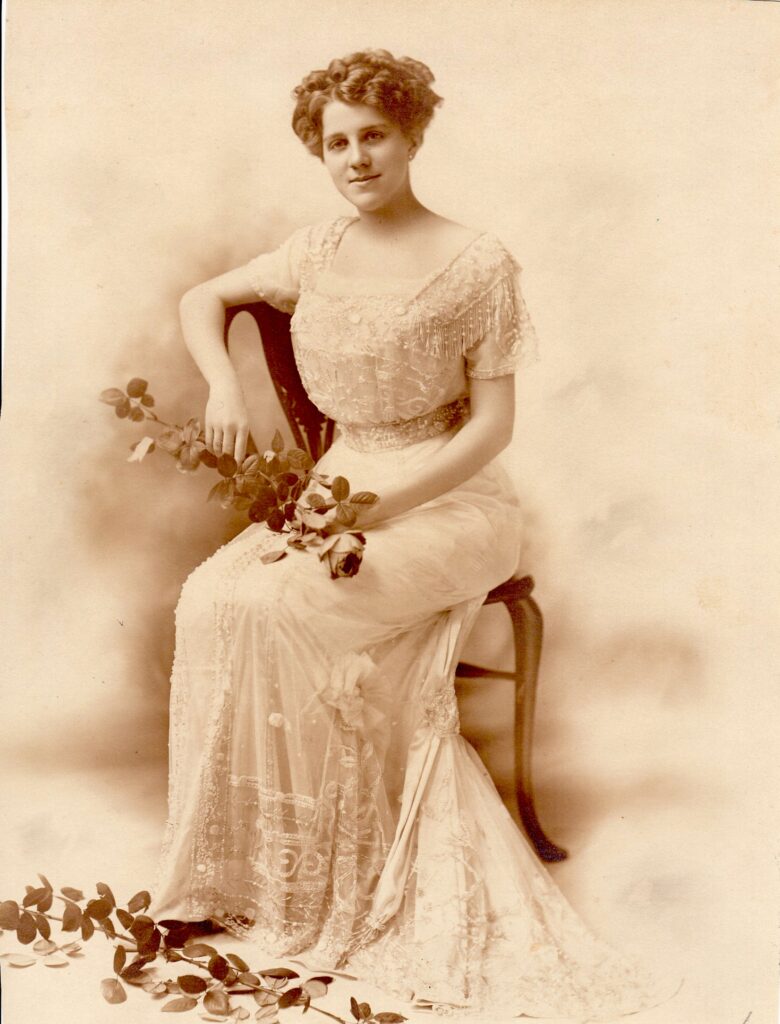
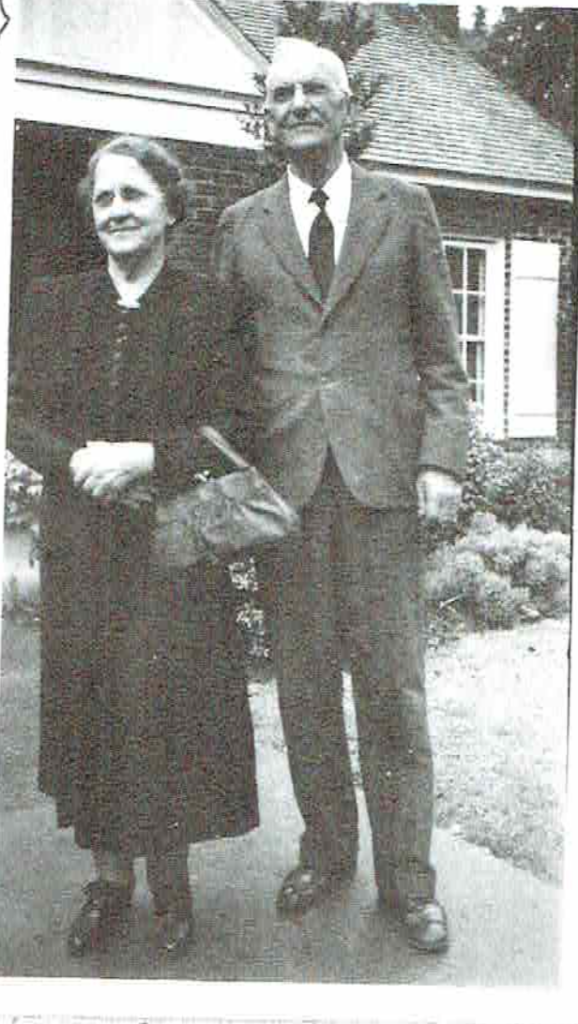
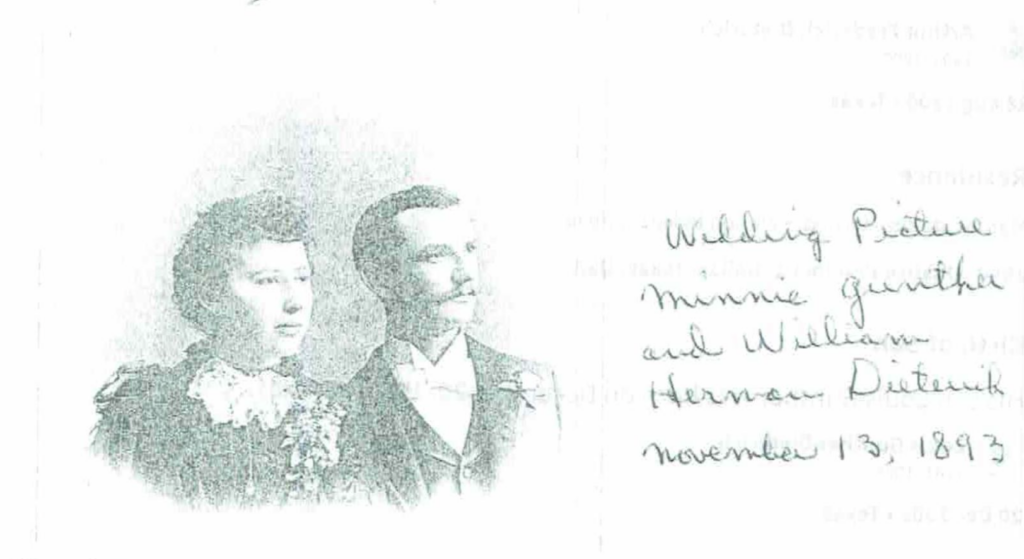
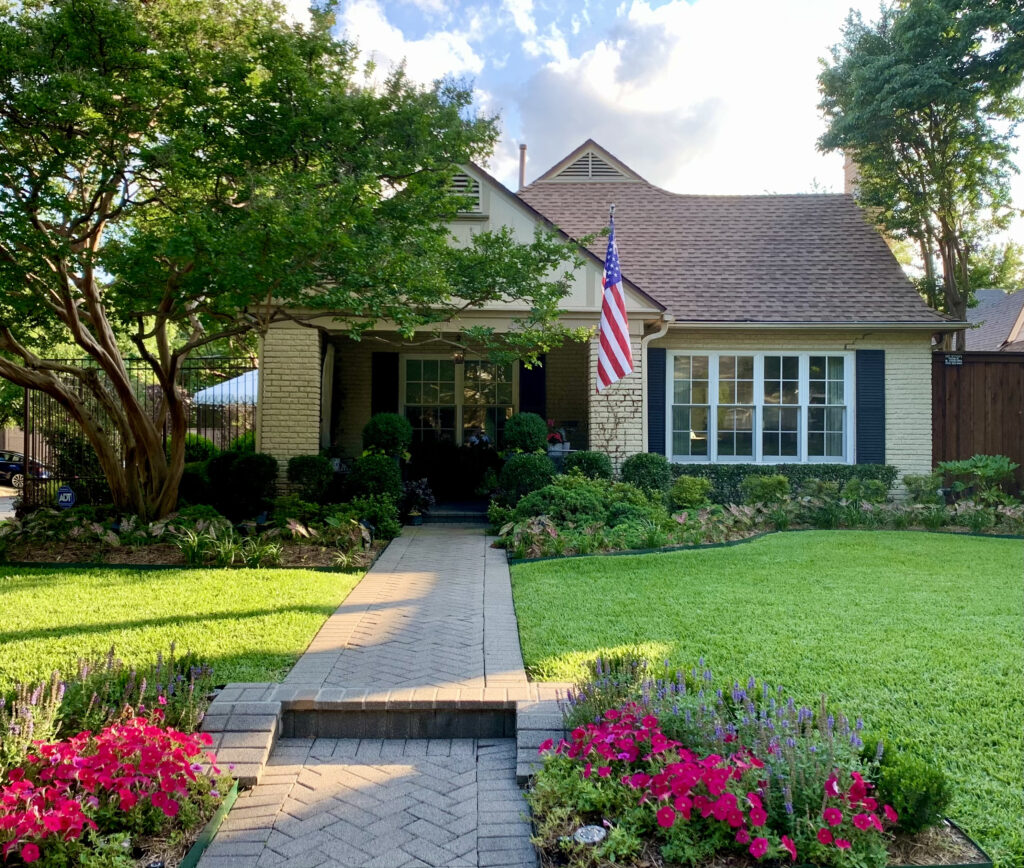
In the 1930’s and 1940’s. the owners of the home at 4403 Vandelia were William and Minnie Dieterich. William Herman Dieterich was originally from Bremen, Germany, and came to Texas when he was 18. Wilhelmina  (Minnie) Augustina Gunther was born in Chicago shortly after her parents emigrated from Germany. She married W.H. Dieterich in Nebraska in 1887. 

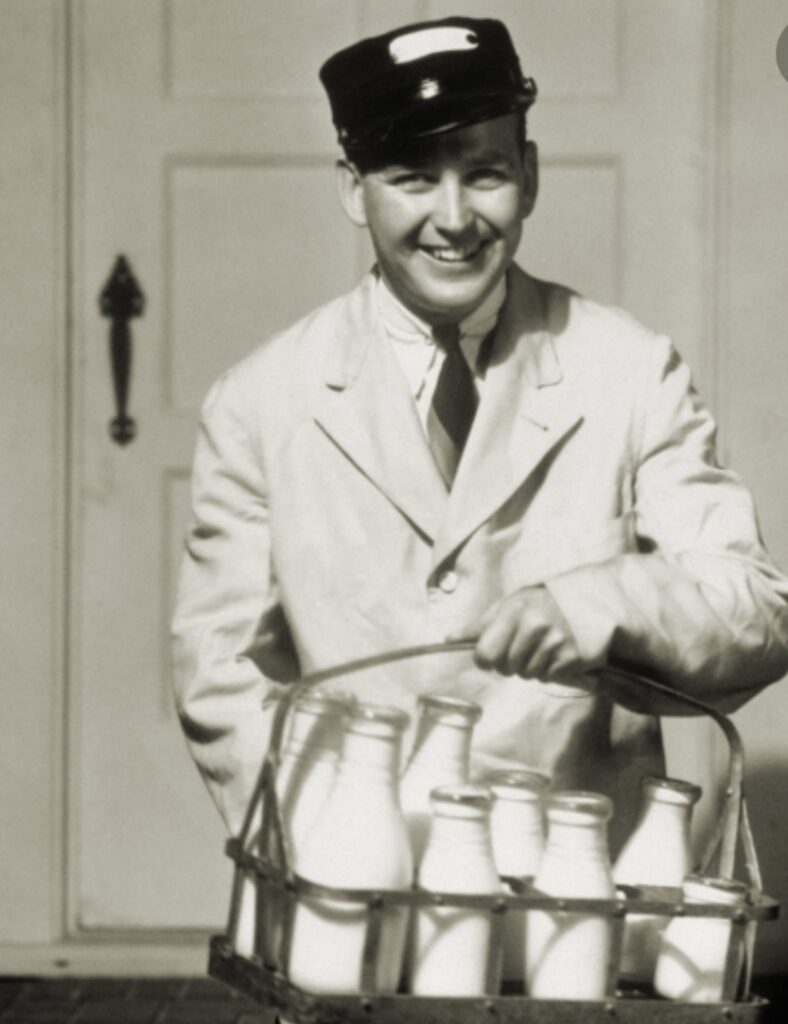
After the family moved to Dallas, William bought 144 acres of farmland at Midway Road and Walnut Hill.  William established the farm as a dairy, with Jersey cows. He delivered bottled milk to his customers on his way to his day job at the Sanger Bros. department store in downtown Dallas where he worked as the building engineer. His young sons helped him on the farm as the dairy business grew. They also sold eggs and farm-made sausage. The family also survived the flood of 1908 when the Trinity flooded the area and they spent days rescuing people from the floodwaters with his rowboat and horses.

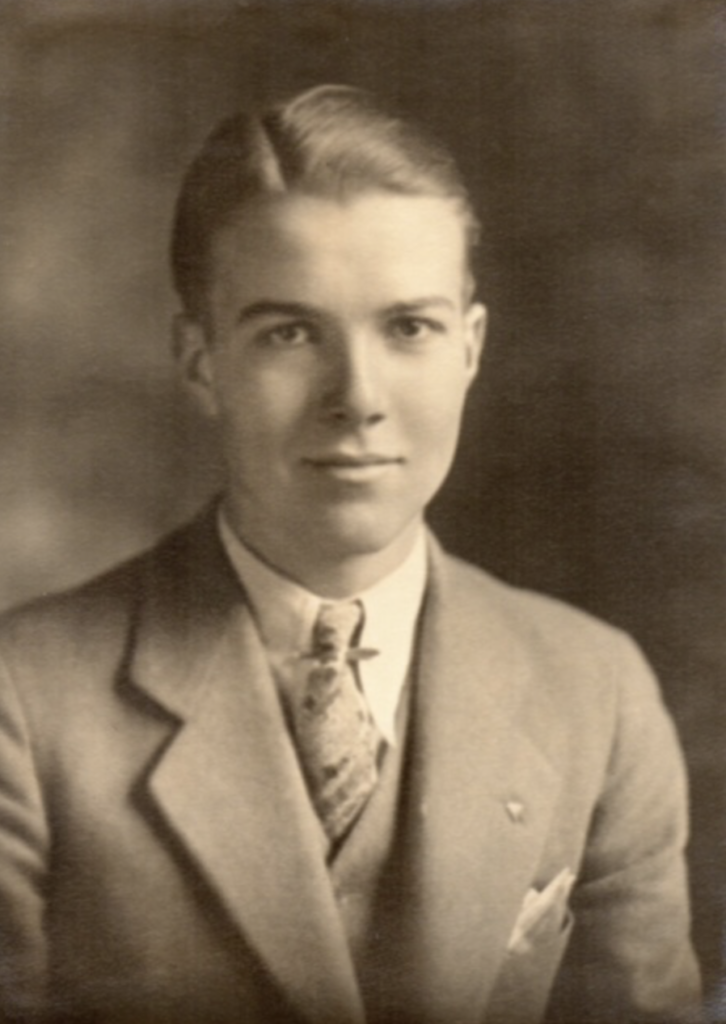
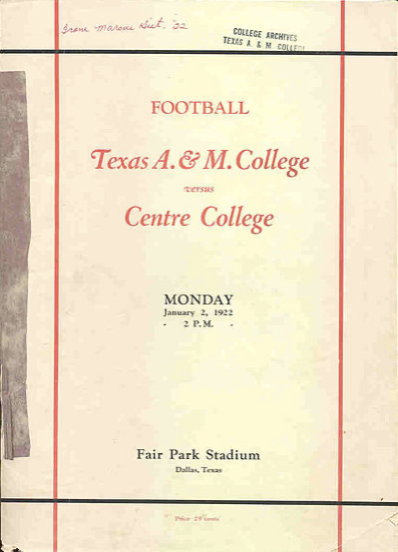
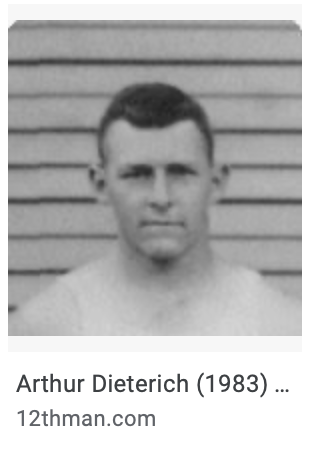
With most of their children out on their own, William and Minnie eventually sold the farm and bought a home in the new neighborhood of Perry Heights to be closer to downtown. William’s son, Arthur F.  Dieterich, studied at West Point and Texas A&M where he studied agriculture. He played football at A&M and was inducted into the university’s Hall of Fame. He was on the 1922 team that played in the first Cotton Bowl in which the 12 man legend was born. He then worked at a dairy cooperative in El Paso for a brief time to learn the dairy business.
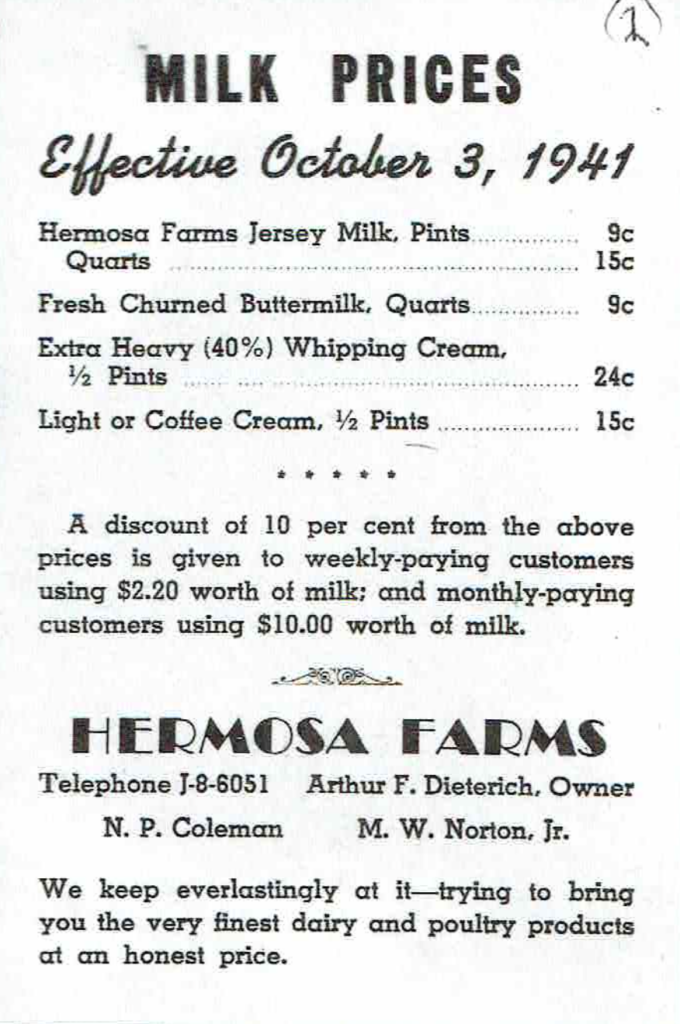
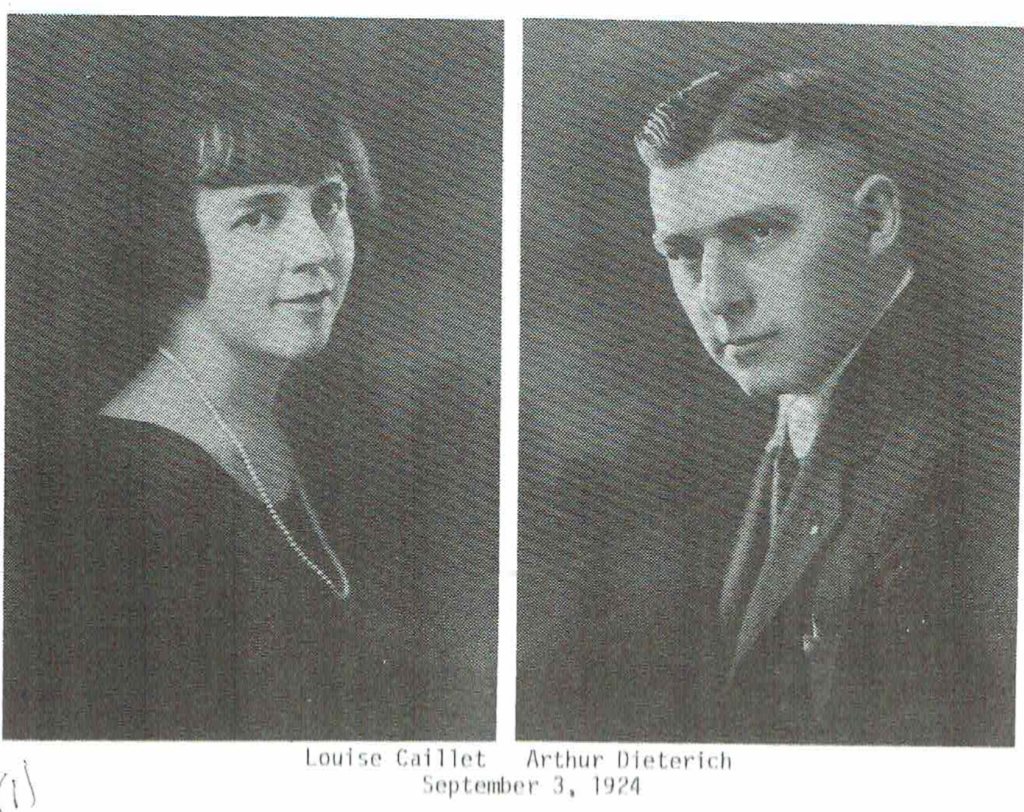
Arthur and his wife, Louise, eventually returned to Dallas and, with the help of his parents, established Hermosa Farm Dairy in 1928 at the corner of Midway Road and Forest Lane. The dairy provided Perry Heights and the Park Cities with milk deliveries by horse-drawn wagon and then later milk trucks until 1947 when city’s development and high taxes forced them to sell. They found an 800-acre farm in Dorchester, Texas, and changed from retail to wholesale dairy products. Arthur also served in various roles with the American Dairy Association of Texas. In his later years, Arthur often served as a judge at the State Fair of Texas in dairy competitions. There is a fascinating oral history given by Arthur and Louise where they talk about life at the Hermosa Dairy, running the dairy during the Great Depression and their family backgrounds. https://digital.library.unt.edu/ark:/67531/metadc306934/
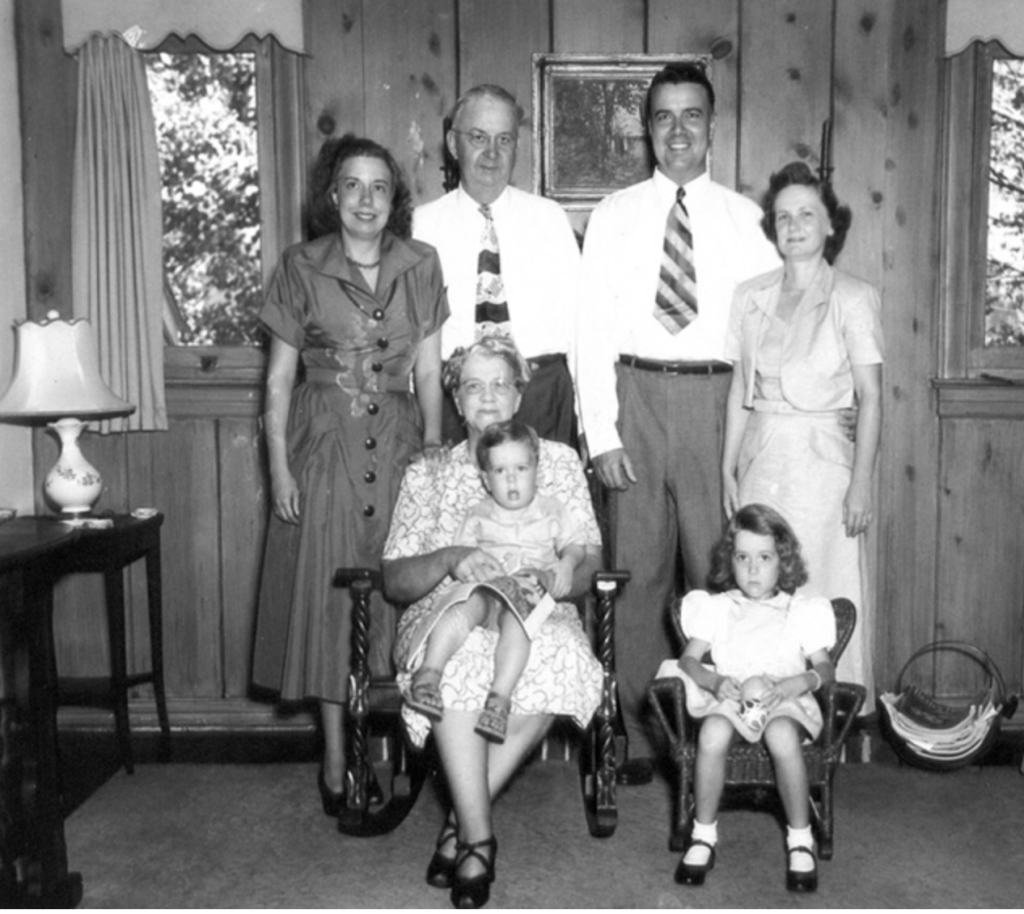
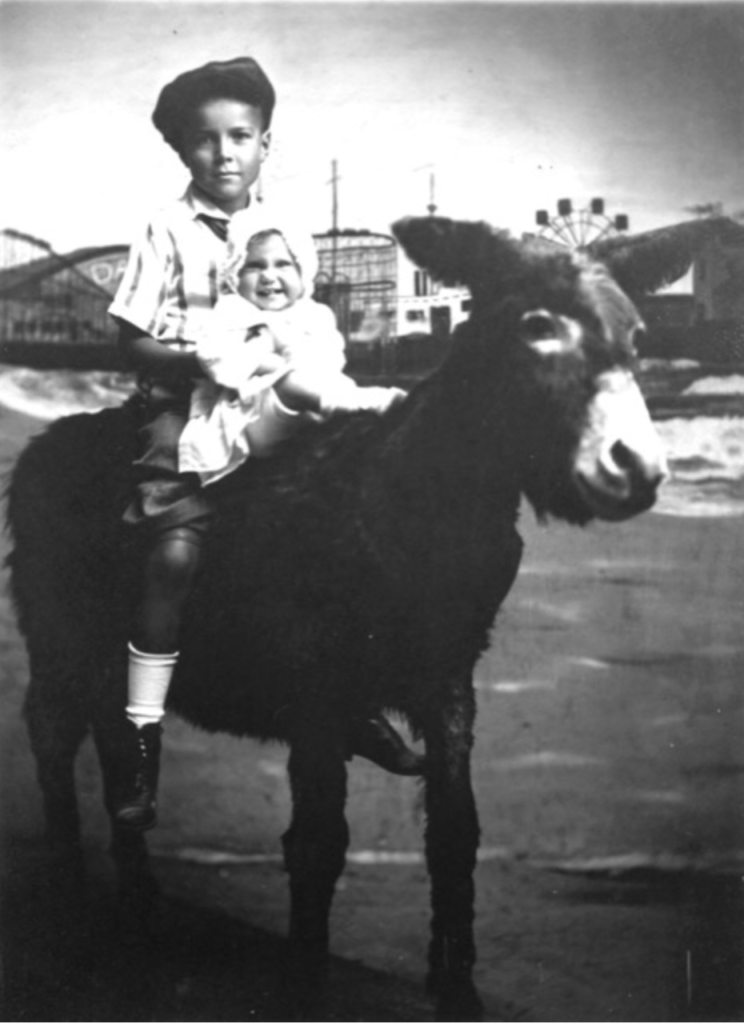
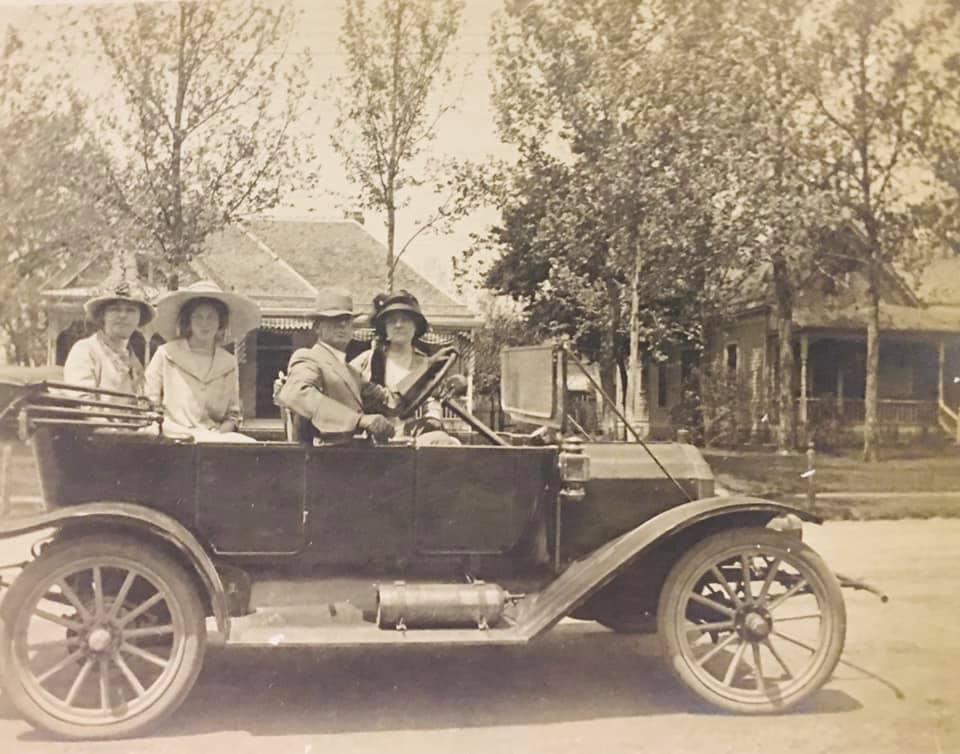
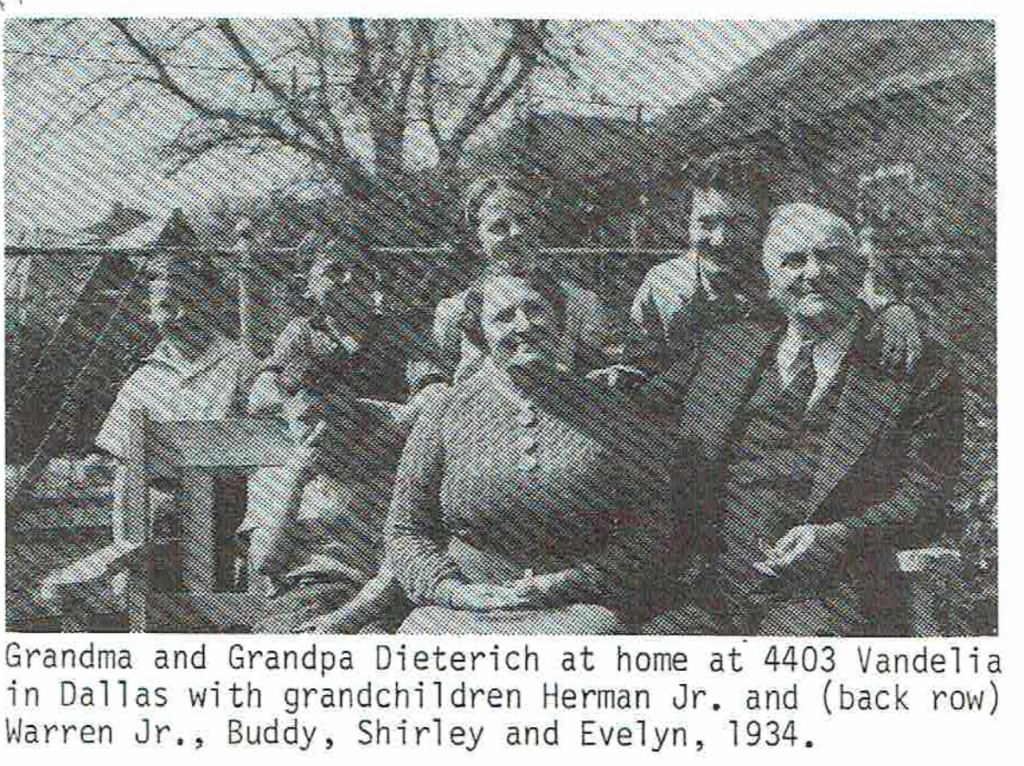
Shirley, the granddaughter of William and Minnie, and the daughter of Arthur & Louise Dieterich visited her grandparent’s former home on Vandelia in 2011 to tell us her memories of her grandparents living there and the celebration of their 50th year of marriage in 1943. Shirley’s daughter, Nancy, provided these pictures of the family and the house in Perry Heights.
Shirley was also great, great-niece of Julien Revershon (eponym of the park off Maple Ave) Shirley was well respected for her work as a botanist and received numerous awards for her study of Native Texas plants of the North Texas region.
William died in 1947 and Minnie moved a few years later to live with Arthur and Louise at their farm until her death.
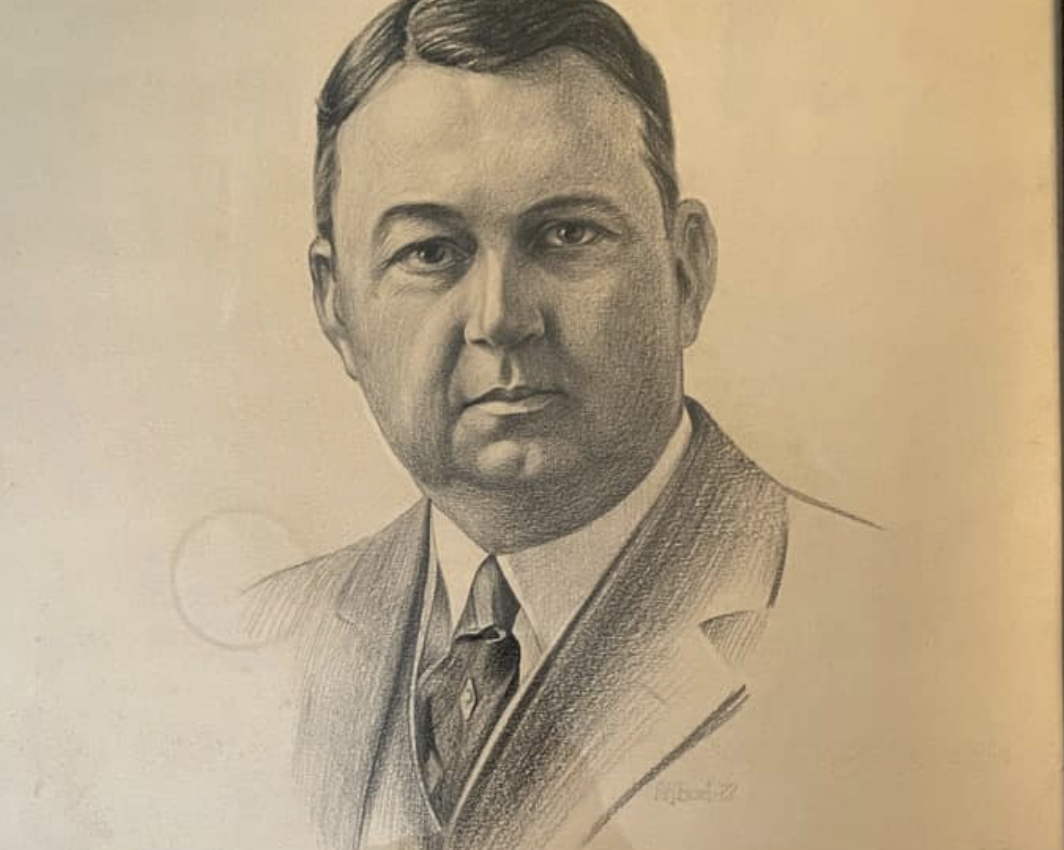
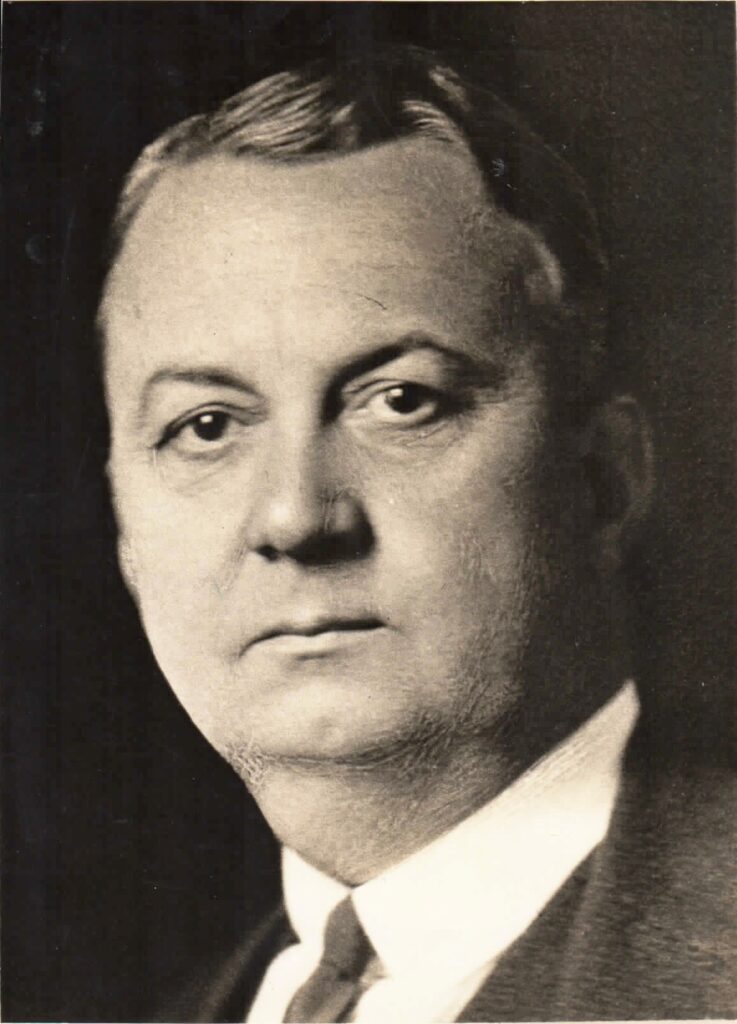
Edward Gordon Perry, Sr

E Gordon Perry grew up in a little town called Woodville, Tennessee, about two hours east of Memphis.  As a young man in 1908, he moved to El Paso and was the first businessman in El Paso to begin selling Fords in 1912 (the model T type) along with his brother-in-law.  Three years later he began selling the first Dodges in Texas with General Pershing’s army and Pancho Villa among his clients. He then moved his family to Dallas and opened a Dodge dealership, eventually having a showroom at Pacific and Pearl, downtown. The dealership became the 2nd largest Dodge distributor in the country. 

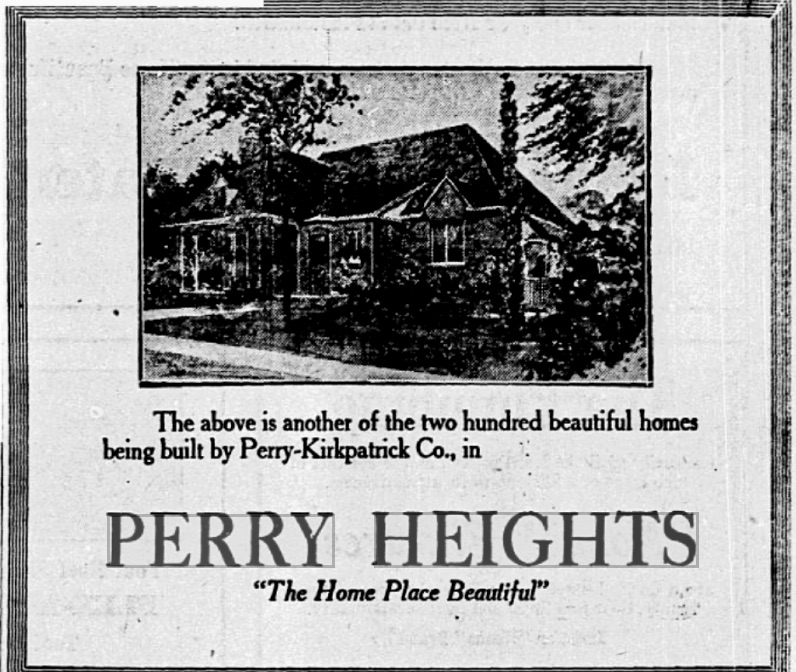
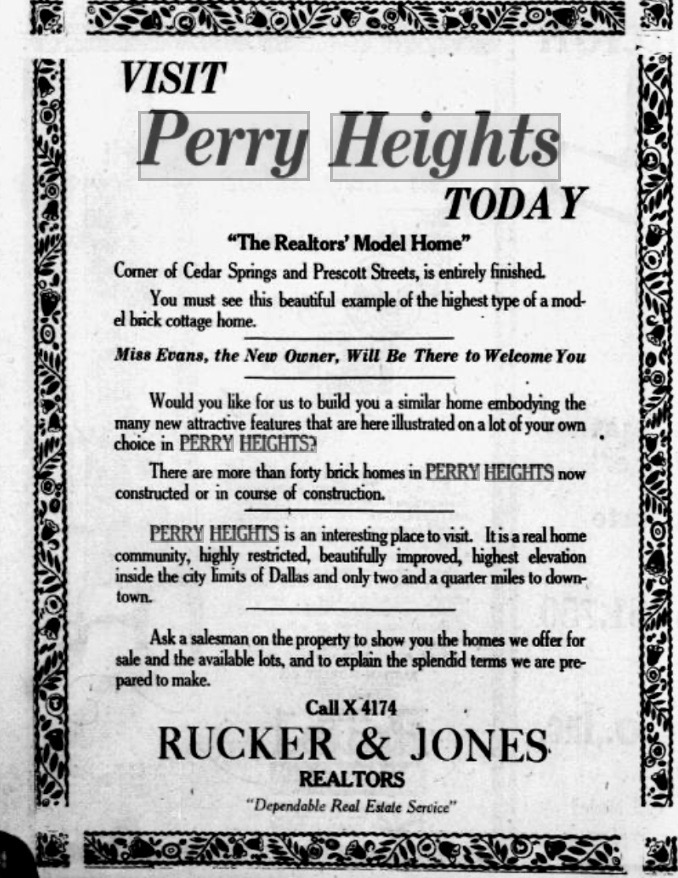
He also developed Perry Heights as a unique neighborhood. He created a realty company with investors and purchased the land. As a part of the deal, the seller donated a portion of the land to the city as a city park running across most of the development. The donation of land and what is now Craddock Park was the first privately donated park in Dallas. He had Fooshee and Cheek, architects layout the plats to provide wide streets with no overheard wires and alleyways to keep the neighborhood attractive, with several trees to provide a canopy of green. He wanted the neighborhood to be diverse in the sizes of the homes, yet restricted the building materials to brick, stone, tile, and stucco with no wooden or frame homes allowed.  Rawlins owners needed to spend at least $10,000 on their homes, which needed to be two-story dwellings, Hall owners needed to spend at least $6,000 on their new home, and Vandelia owners needed to spend at least $5,000 on their home according to the abstract of the development dated August of 1922. 

Edward Gordon Perry Sr. had a wife, Melvina Vandelia Perry, and two children. His daughter, Vandelia, and his son, Edward. Gordon Perry Jr. both went to SMU. Edward Gordon Perry Jr. became a successful inventor and businessman who served as the chief research engineer for Texas Instruments. He was also a co-founder of Recognition Equipment, Inc, (REI). He is best known for inventing the first commercially viable Retina Character Reader. (For more information please visit https://en.wikipedia.org/wiki/Edward_Gordon_Perry_Jr. )

 Perry was trying to create a neighborhood for people in various life stages and economic brackets for a more diverse neighborhood. He truly believed that homeownership was important for a community to thrive. He also built his family home in the center of the neighborhood and built a large playground for his children and encouraged the neighborhood children to play there as well.  He named one of the newly created streets Vandalia after his wife’s middle name and daughter’s first name. His home was said to cost $75,000 and included a pool and tennis court and was just across Hawthorne from the park where the Park Place townhomes are now. 

In addition to Perry Heights, he was very involved in the YMCA of Dallas. He was the director from 1922 to 1947 and raised one million dollars from other business owners to open three branches of the Dallas YMCA in 1928. He was also chairman of the social welfare Association committee on inter-organization cooperation that worked with Dallas businesses in providing opportunities and funds for those less fortunate. 

Perry was also the superintendent of the First Methodist Church School for 16 years and a member of the board for SMU for 15 years.  Perry was also the president of the USO for two years during WW II and was active in other civic and church activities. He is quoted as saying “I have had a lot of privileges in my life and I feel very humble about it.” He felt that service to his community was of utmost importance. 

He and his wife moved to San Angelo in 1947 to be close to his grandchildren and died in 1952 just shy of his 66th birthday.  

Perry Heights Features

This page will feature various people and homes that have made our neighborhood full of history, culture, and the friendly urban oasis it has become.

If you have a story about one of our houses or past resident, please send us the story to be featured.