
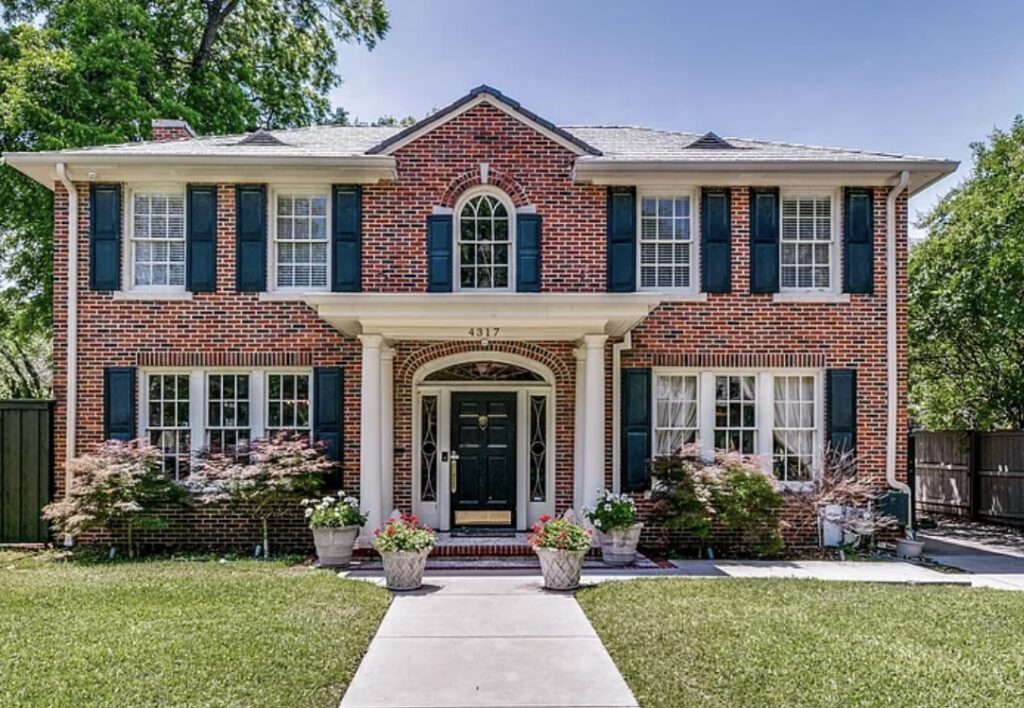
A beautiful example of Colonial Revival architecture, built in 1925 by Oak Lawn Methodist Church for $25,000, the residence at 4317 Rawlins Street served as a parsonage for the church’s pastor and his family. Over the years, it became a cherished site for small weddings and elegant afternoon receptions tied to church life.
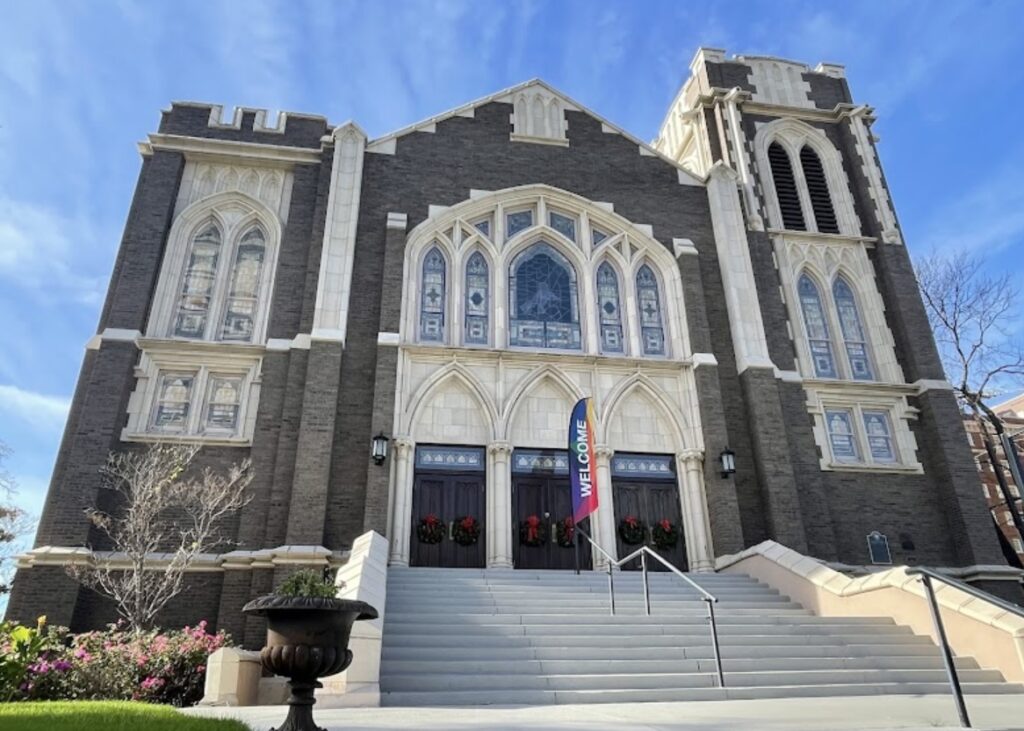
The first pastor to reside there was Dr. Emory Hawk, followed by H.M. Whaling, G.W. Davis, John Donaho, Charles Fike, and Fred Edgar. After serving the church for 37 years, the house was sold to private owners in 1962.
The Jung Family Legacy
The next chapter of the home’s story began when Ed Joe Jung and his wife, Floy, purchased the house and raised their family there over the next two decades.
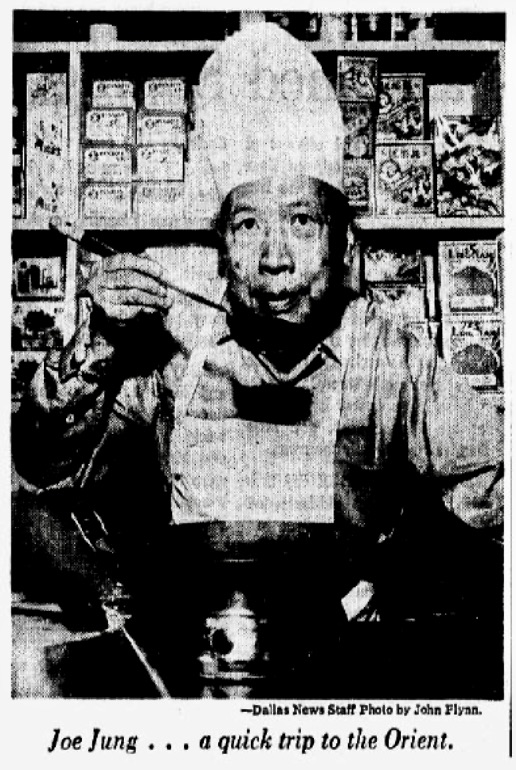
Ed Joe Jung was born Soo Hoo Goon Chung in Haiping, Canton, China, in 1902. At the age of 14, he immigrated to the United States, eventually settling in Dallas and adopting a new name and a new life. Through determination and hard work, he built a successful career and became one of the early figures introducing Asian cuisine and goods to Dallas.
He first gained recognition as co-founder of The Mandarin, a Chinese restaurant located under the Zang Boulevard viaduct. In 1940 he married Floy Louise Groom, and together they raised four children: sons Eddie Jr. and Richard, and daughters Lynn Sue (Suzi) and Jodi.
By the late 1950s, Jung had opened Lincoln Market at Ross and Hall, a specialty grocery store that served Dallas’s small but growing Asian community. At the time, the city had only about 200 residents of Chinese descent and just four or five Chinese restaurants. As immigration from Japan, Indonesia, and other parts of East Asia slowly increased, demand grew for authentic ingredients that were otherwise difficult to find in Dallas.
Jung’s eldest son, Buck Jung—who had joined his father in the United States in 1949—helped run the store. In the mid-1960s, Ed Joe passed Lincoln Market on to Buck and opened a new venture, Jung’s Oriental Food and Gifts, at 2519 Fitzhugh Avenue. The store expanded beyond groceries to include decorative and garden items from across Asia, introducing many Dallas residents to Asian culture and cuisine for the first time.
Ed Joe also became something of a culinary ambassador for the city, contributing recipes to The Dallas Morning News and encouraging home cooks to experiment with Asian dishes.
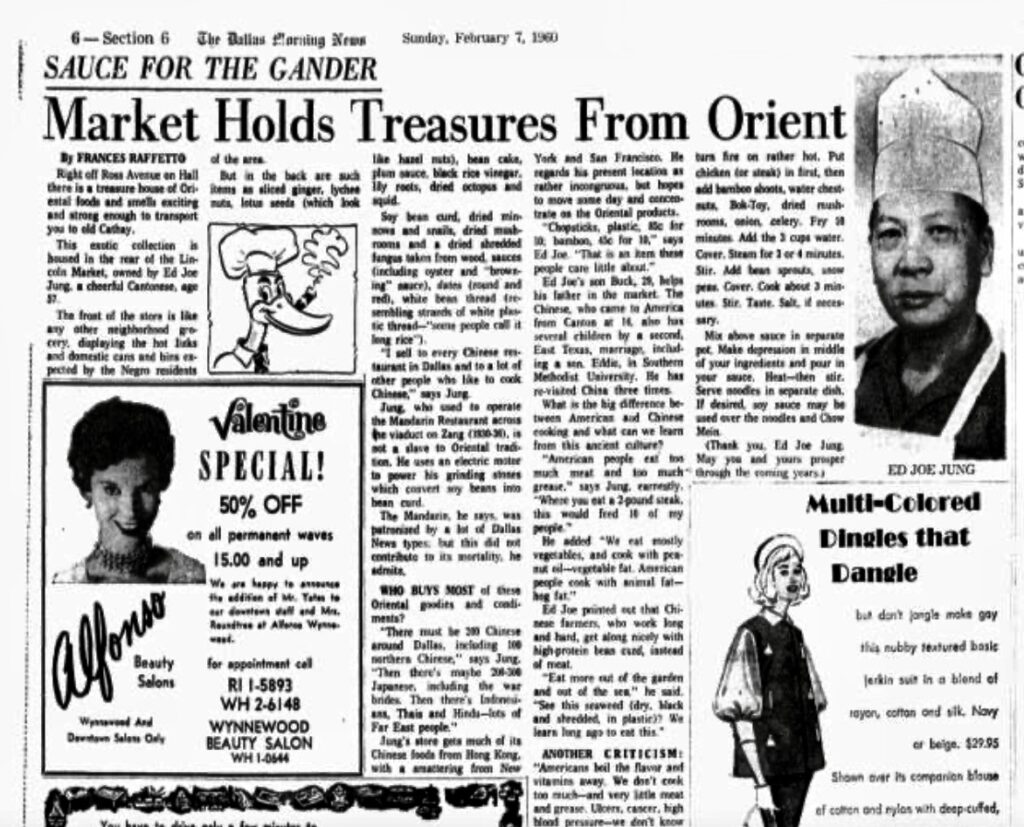
The family’s entrepreneurial spirit continued into the next generation. In the 1970s, Buck Jung opened Golden Gate Foods, a wholesale business supplying wonton skins and noodles to restaurants across North Texas, including well-known clients such as TGI Fridays.
Despite living in the United States for more than fifty years, Ed Joe Jung did not officially become a U.S. citizen until 1970. He passed away in 1982.
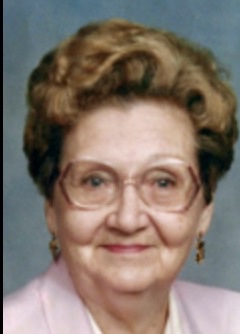
Floy remained a beloved matriarch of the family until her death in 2011, leaving behind a remarkable legacy of 18 grandchildren, 18 great-grandchildren, and five great-great-grandchildren.
A Moment in Perry Heights History
When the Jung family moved into Perry Heights in the early 1960s, their arrival sparked controversy among some residents because the couple was considered to be in a mixed-race marriage—something that was still socially contentious in Dallas at the time.
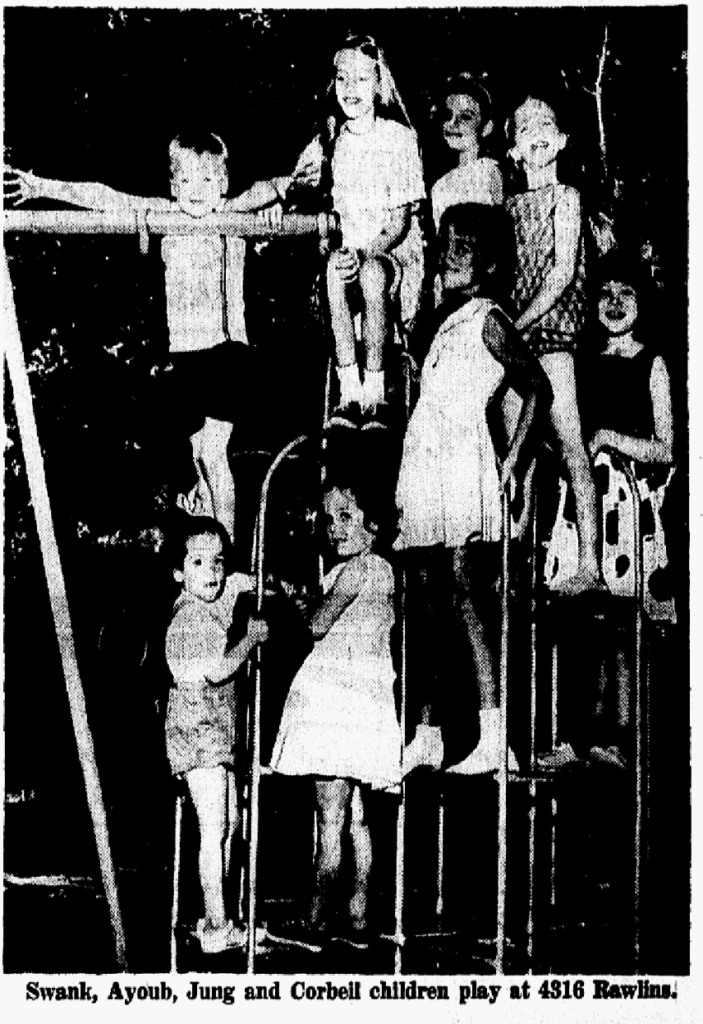
But other neighbors chose a different response. Members of the Swank family stepped forward to support and welcome the Jungs into the neighborhood, helping ensure that they could settle into their new home.
Today the house reflects more than just architectural history. When the Jung family moved in during the early 1960s, their presence tested the values of the neighborhood. Some resisted, but others—most notably the Swank family—stood up in support. Their actions helped ensure that Perry Heights would grow not just as a beautiful neighborhood, but as a community defined by fairness, courage, and neighborly decency.