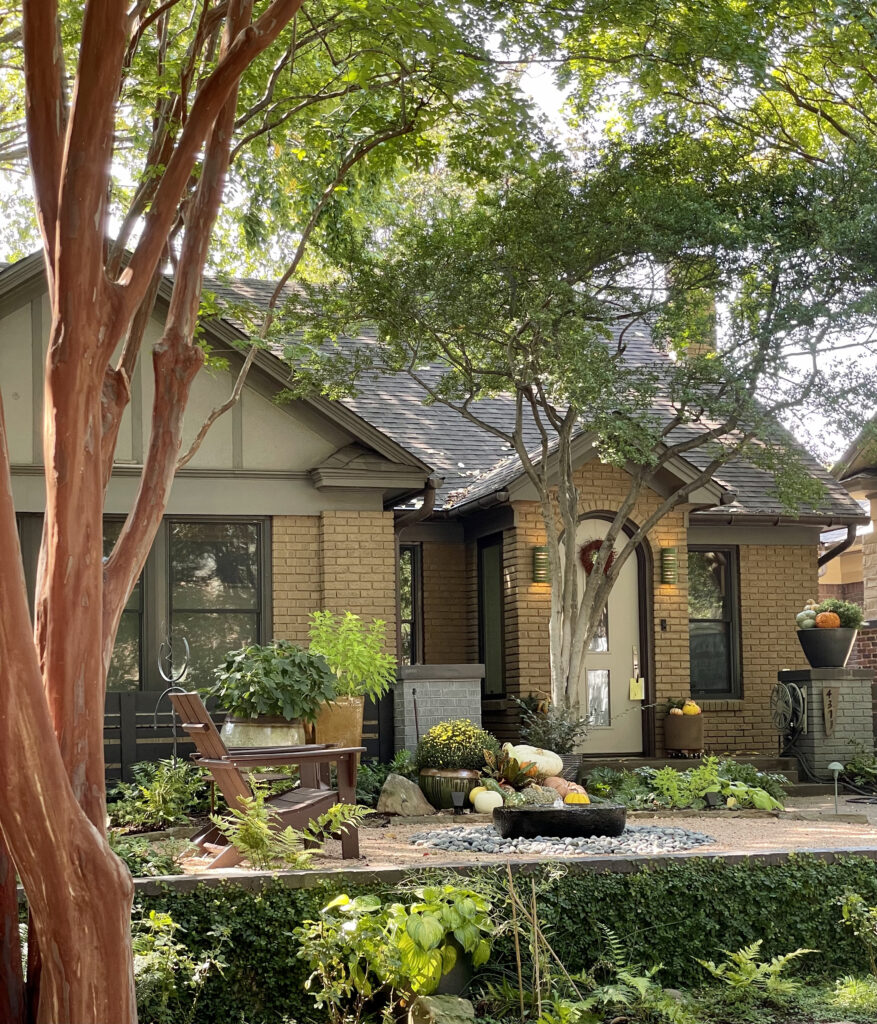
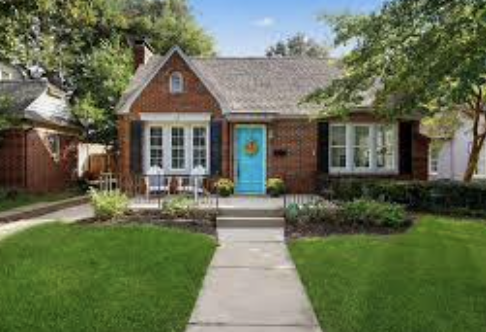
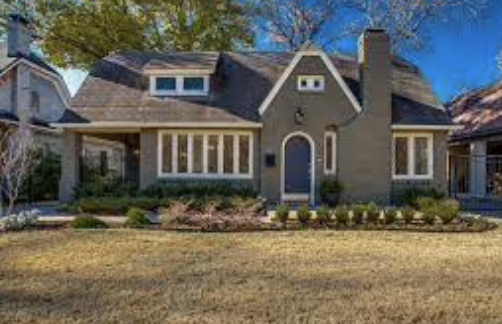
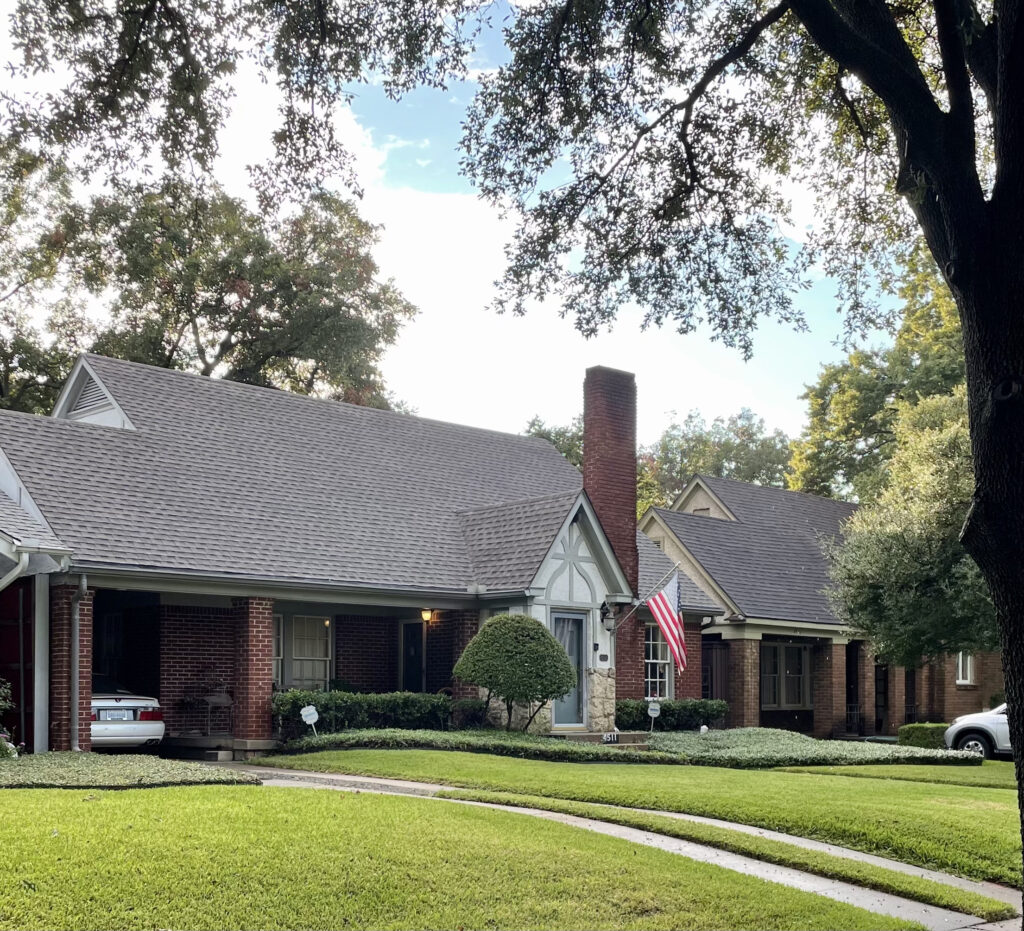
We appreciate the annuals and beautiful trees in our neighborhood, however, our neighborhood has had quite a history of Master Gardeners and flower gardens. Craddock Park was known in the 1930’s for the massive rose garden that was maintained by the Women’s Garden Club. The rose garden would get 1000’s of visitors a year. Unfortunately, there was an outbreak of crown gall infection in 1942, and all of the roses were destroyed.
In 1952, The Woman’s Gardeners Club, with approval from the Park Board, debuted the nation’s very first Scent Garden in Craddock Park for the blind with braille nameplates. The garden was in the southeast end of the park.
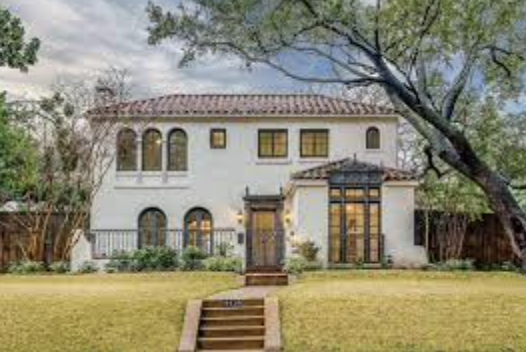
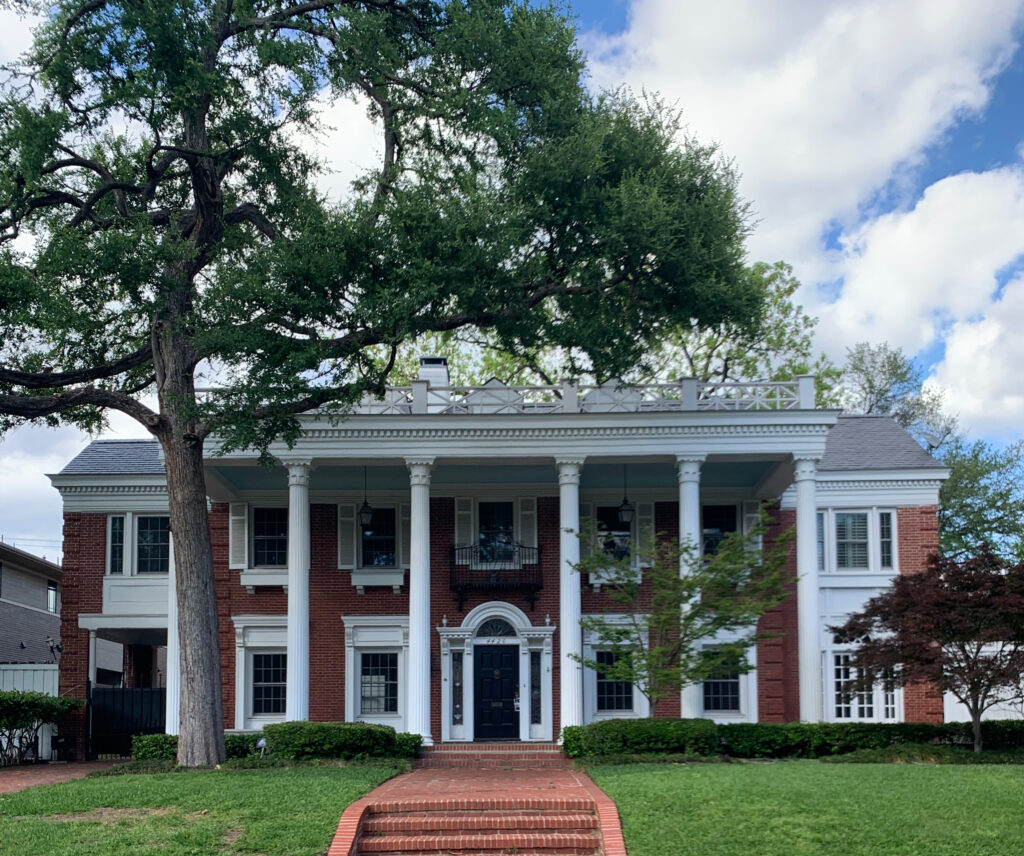
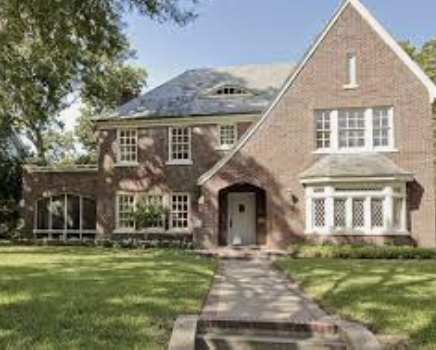
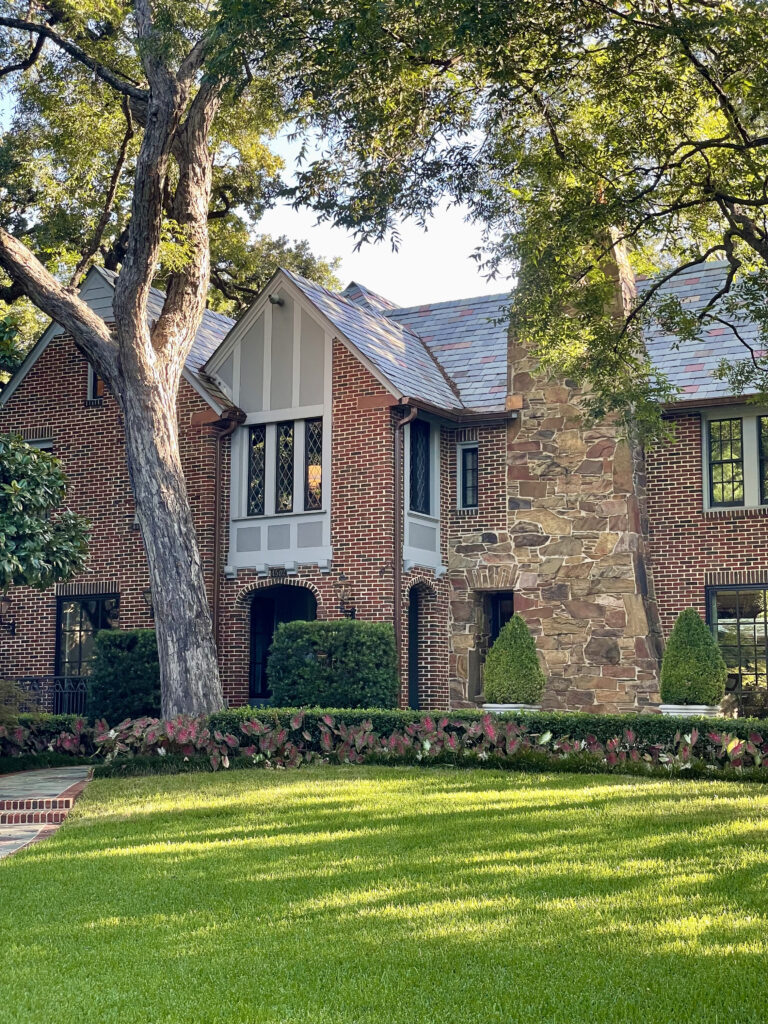
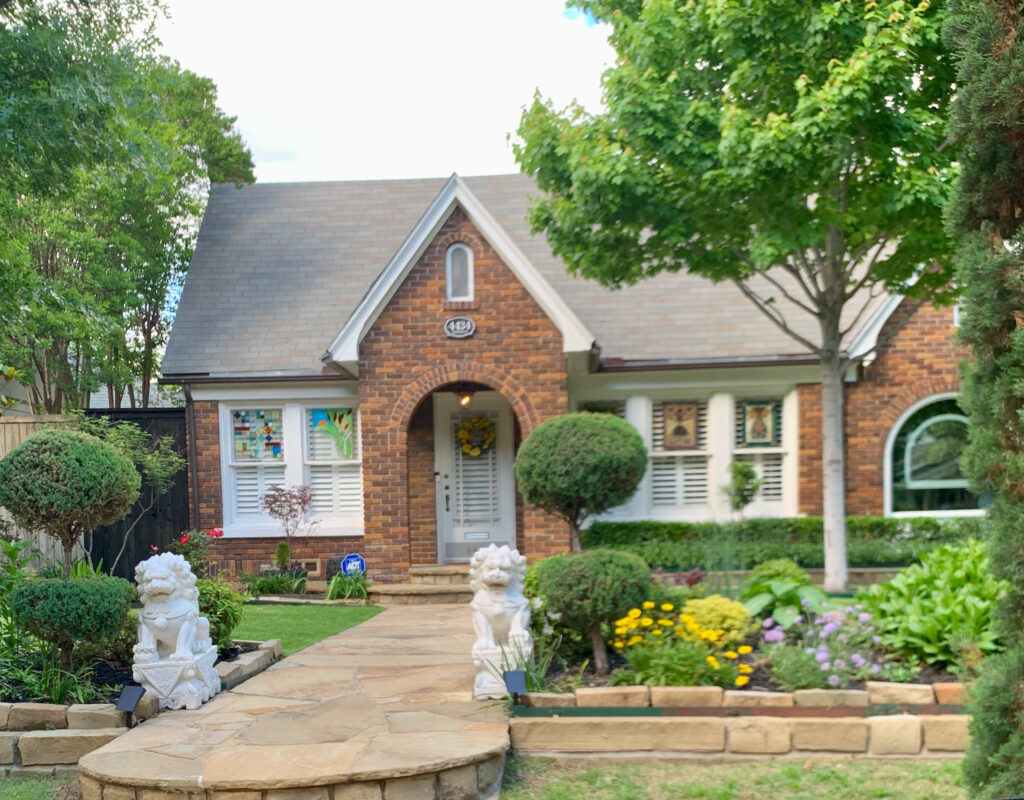
4439 Rawlins as it looks today
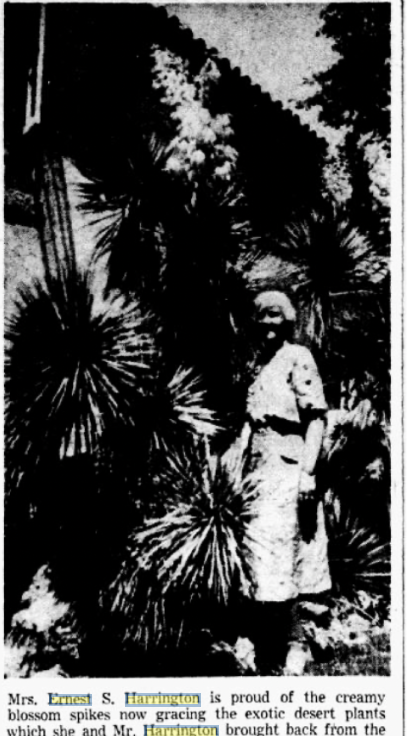
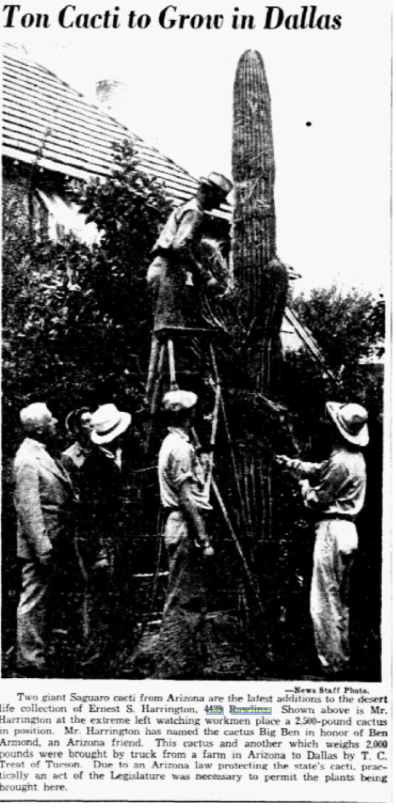
In 1939, when Ernest Harrington and his wife bought their home at 4439 Rawlins, they extensively changed the landscaping to the gardens they appreciated in Arizona and New Mexico. They had yuccas, magueys, aloes, and cacti transported into their front and backyard. The state of Arizona had to give them their approval to remove giant saguaros and move them out of state into their Dallas home.
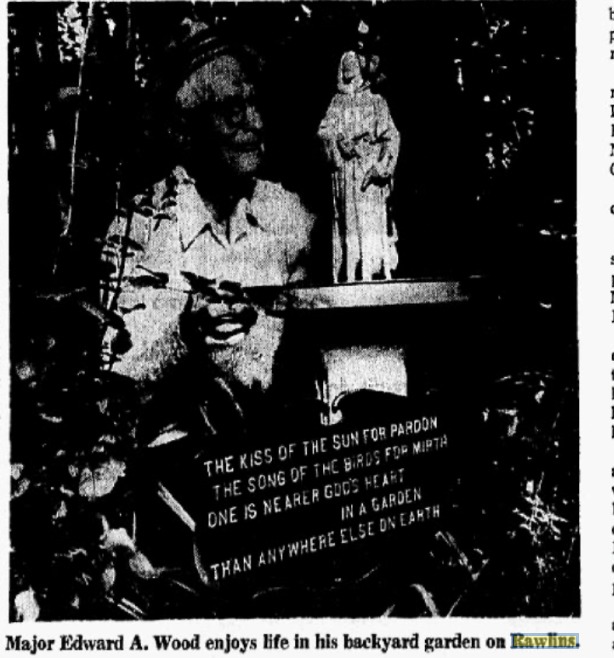
Major Edward A. Wood of 4321 Rawlins was a Dallas city plan engineer and a master gardener. He was president of the First Men’s Garden Club for years and had a particular affection for Dahlias.
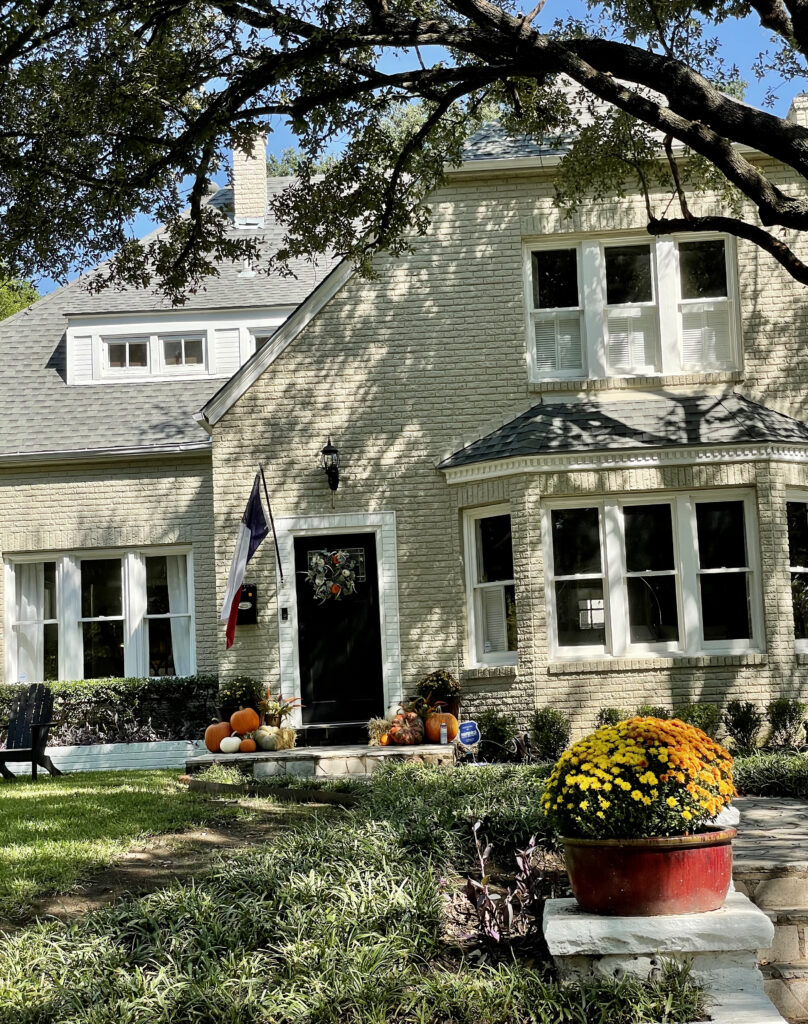
In the early 1950s, there was an escalation of gardeners on the 4300 Block of Vandelia. Three ladies, who were all active Garden Club members wowed the neighborhood and newspapers readers with their gorgeous gardens trying to outdo each other with their skills.
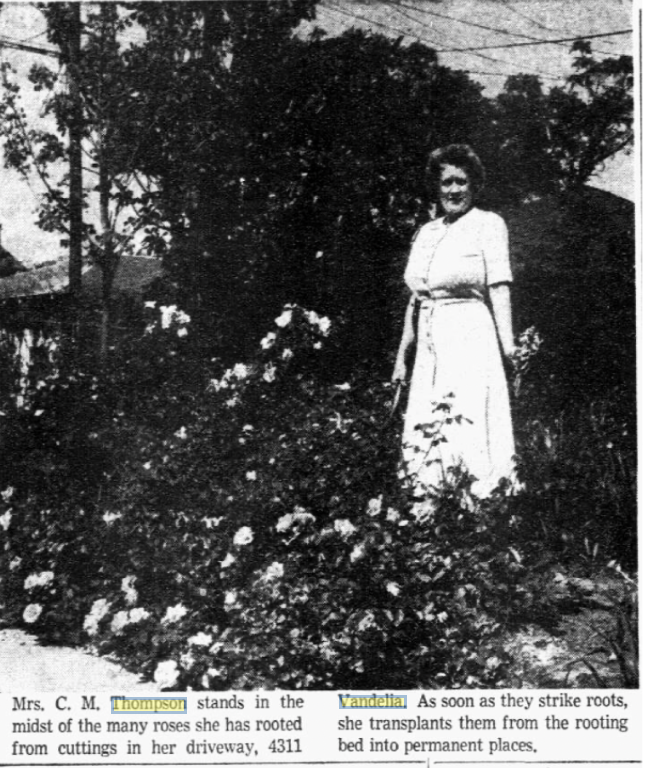
Mrs. C.M. Thompson was known for her beautiful rose garden of 60 bushes in the front of her home, her favorite rose called the Fashion rose. Mrs. Thompson was also an expert on African Violets.
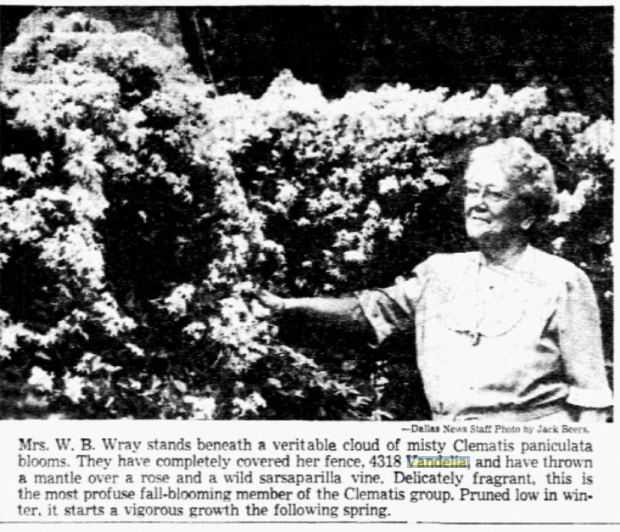
Mrs. Wray of 4318 Vandelia loved planting blooming perennials such as wild sasparilla vine, clematis, gardenias, and strawberries. She used peanut hulls, sheep manure, and ground cottonseed to protect and grow her amazing garden.
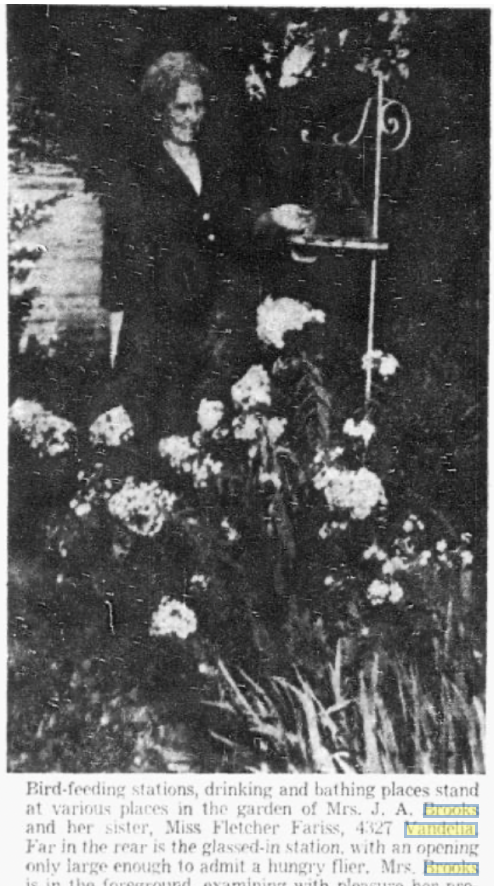
For Mrs. J. A. Brooks, gardens are for attracting birds. Her garden had two birdbaths and a feeding station set among flowers to attract various species. She grew coral honeysuckle, beds of irises, day and ginger lilies, and tuberose. She also brought plants and cutting from her family home in Tennessee such as english ivy, syringa, camellias, clove pinks, sedums, and phlox.
I know we all enjoy walking our neighborhood and appreciating colorful beds of flowers and shrubs. Thank you to the past and present residents who work tirelessly to make our neighborhood the beautiful garden it is.
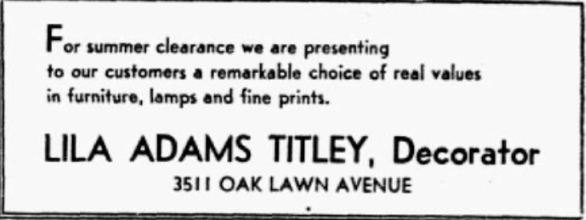
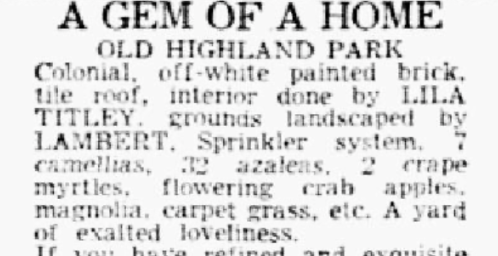
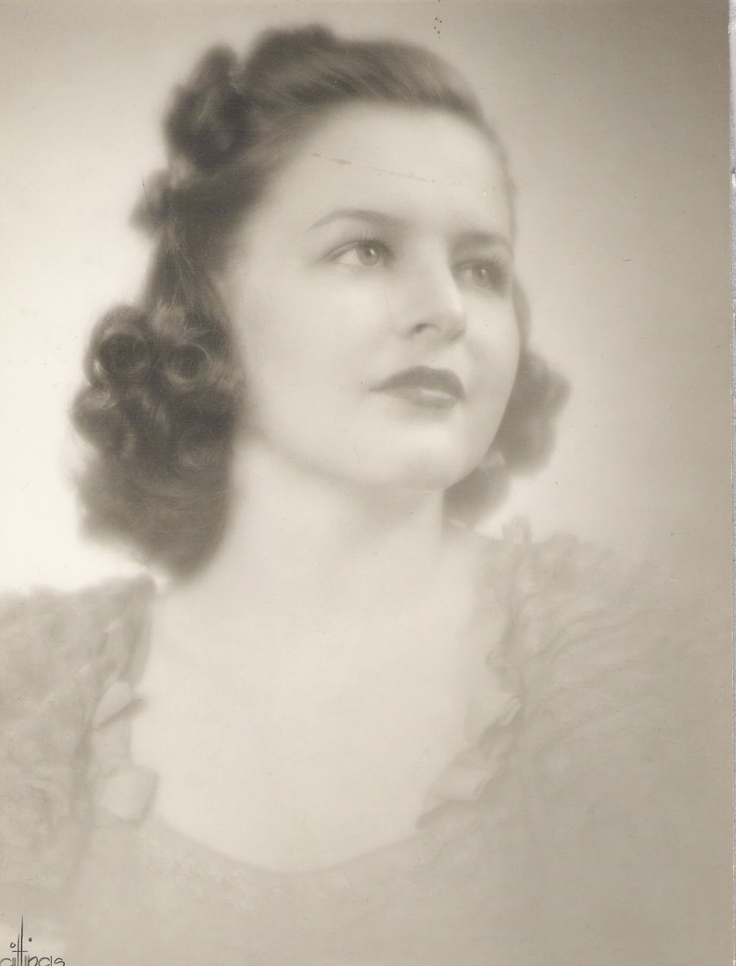
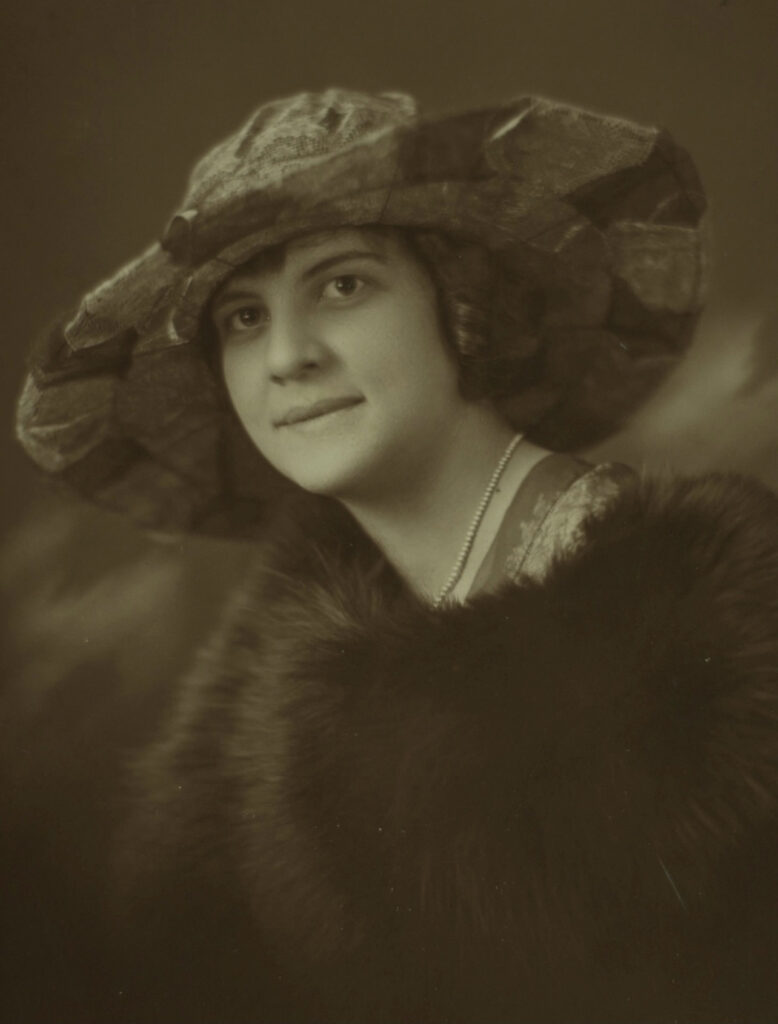
In 1927, after a bitter, ugly divorce, Lila Adams Titley took her two young children and moved from Oklahoma to Dallas to carve out a new life for the three of them. She went into business as an interior decorator and raised her children in Perry Heights at 4412 Rawlins. She opened her business at 3511 Oak Lawn and later at 2307 Cedar Springs and was a successful decorator and antique store owner for 30 years until she retired in 1954. She loved traveling to Europe on buying trips and she loved classic European design. Her two children were Richard John and Bonnie Jean. She was instrumental in organizing the Texas Chapter of American Interior Decorators, and served as the first Treasurer for the organization. She often spoke in front of decorators and women’s groups with very traditional views: “You can’t live with things that aren’t lovely and it is the women’s function to carry on the tradition of the pretty and retain the heritage of good design.” She thought good decoration came mostly from the 18th century and detested modern design: “Though modern architecture may have its functions, there’s nothing pretty about a slab of brick wall with a mask on it. “
She had a scare when there was a bad car accident at Lemmon and Lovers Lane with her son, Richard, driving five other seniors from North Dallas High, but only three were hospitalized and no one was seriously hurt.
After she raised her children and retired her business, she traveled extensively. She often would travel to see her son while he was stationed somewhere around the globe. She also loved traveling by ship to the Mediterranean including holy land destinations. She moved out of Perry Heights in the early 1960’s and died in 1971 in Dallas.
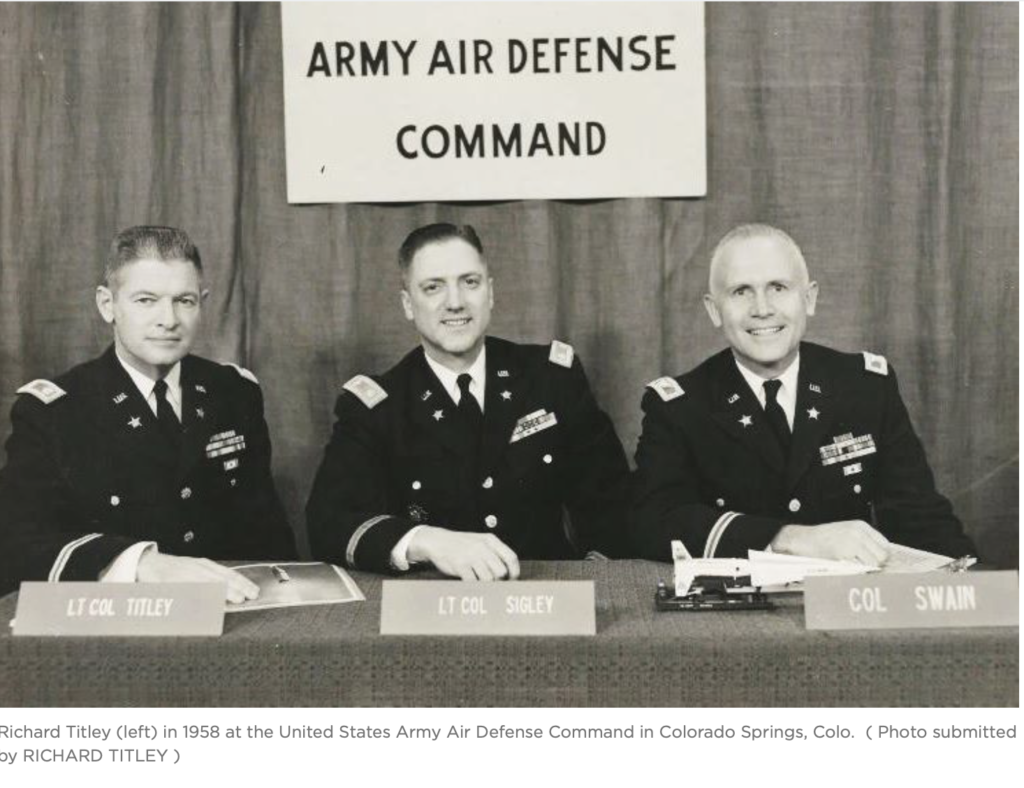
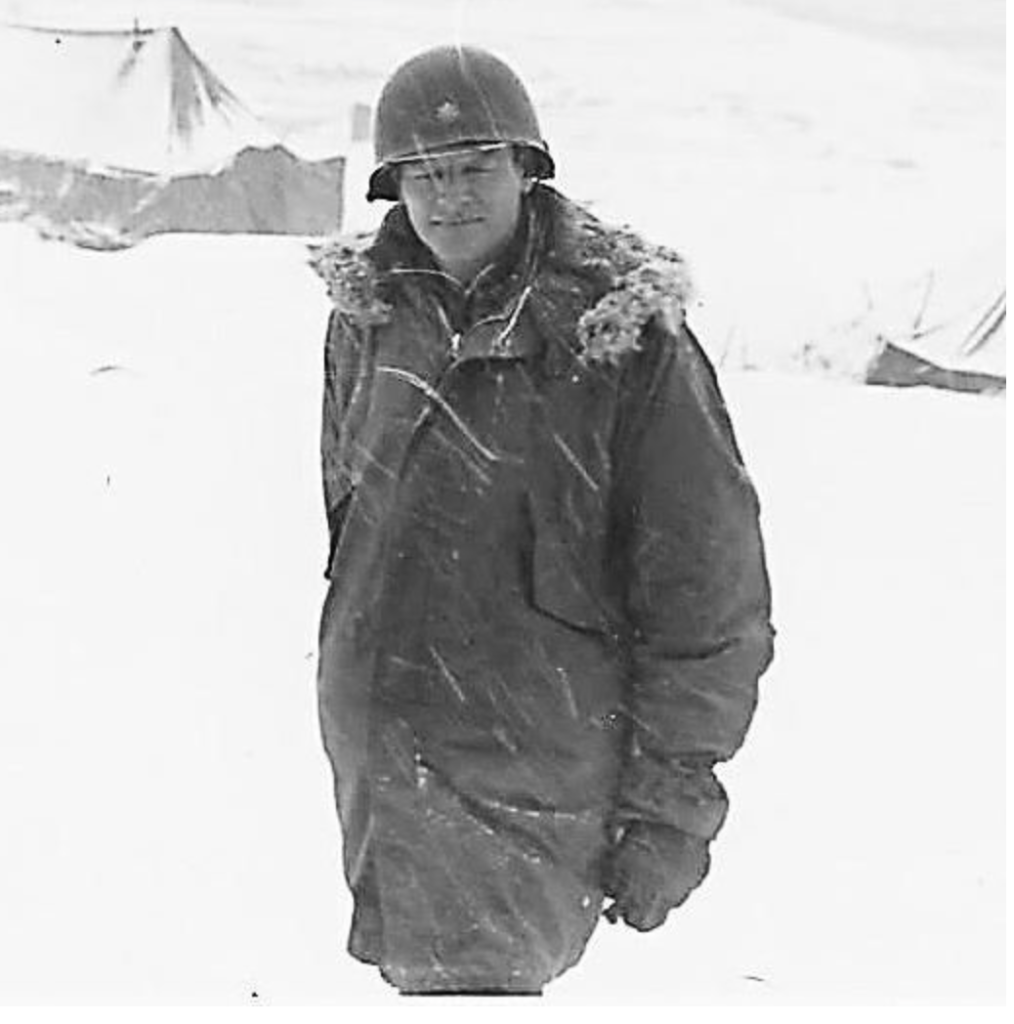
Richard Titley during the Korean War, during which he served as a commander of a field artillery battalion in the 25th Division. ( Photo submitted by RICHARD TITLEY )
Richard went into the army after graduating from A&M and was sent to California to start a 22 year military career spanning from WWII through the Korean war and finally the cold war where he commanded the Nike missile batteries in and around Texas. Richard married and had two sons. After leaving the miliary, he returned his family to Dallas and worked for Preston State Bank developing the bank’s first credit card. He died in 2018.
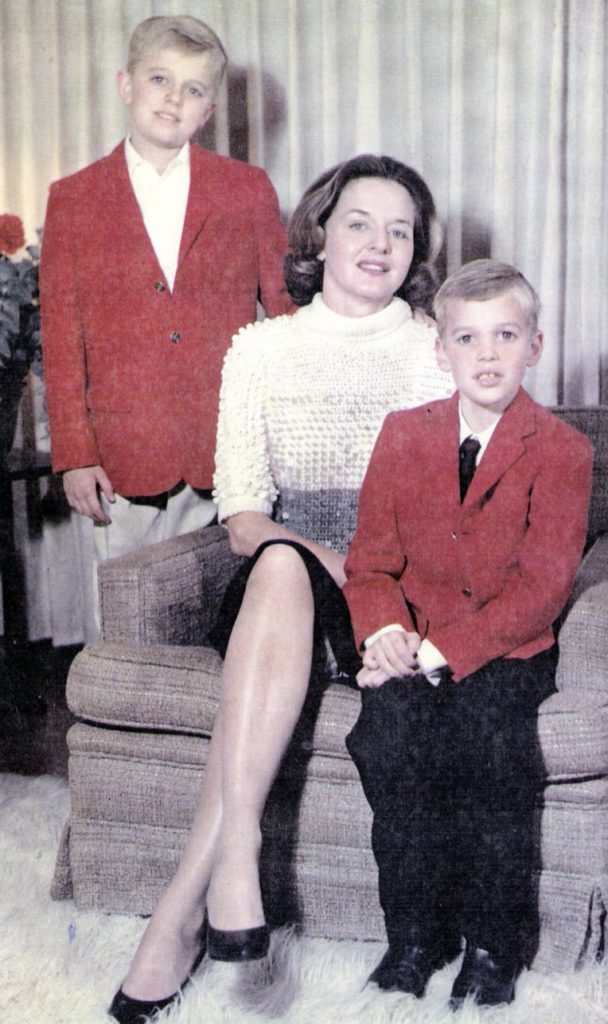
Bonnie Jean was Richard’s older sister by 3 years and graduated with a journalism degree from UTA. Her romantic life was somewhat turbulent. Her first fiancee was killed in the Pearl Harbor attack. She then married Foy Fleming who was almost immediately deployed to the Navy in the Pacific in WWII. She followed him and worked in an ammunition factory with other war wives in California. When Foy returned from war, they quickly discovered they were not a match and amicably divorced as friends. She then returned to Dallas and met Warren Leslie, a writer from a prominate NYC family, and at that time, a reporter for the Dallas Morning News. They married in 1949 at The Little Chapel in the Woods and had two sons, Michael and Warren IV, known as Rennie. They divorced within three years.
Warren Leslie was then working as an exectutive with Nieman Marcus while working on novels. He started a book soon after Kennedy was assasinated in 1963 and Bonnie worked with him as the primary researcher and editor. The controversial book sought to address the true nature of the city that stood accused by many of killing the president. As Dallas Public and Private: Aspects of an American City, the nonfiction book was nearing completion, Warren and Leslie remarried in 1964.
Bonnie was a major fundraiser for the Dallas Symphony in the 1950’s and 1960’s and through her husband’s NYC connections were able to book international talent in Dallas. Bonnie was also instrumental in helping to find work and housing for refugees from Poland and Hungary during the Soviet occupation of those countries. She and her husband were close to the proprietors of the Old Warsaw Restaurant, themselves refugees from Poland. Bonnie loved to recall how Dallasites had to bring their own liquor in brown paper bags to the Old Warsaw and other restaurants in the dry Dallas of the 1950s. She also developed a friendship with Stanley Marcus, and they shared an enthusiasm for miniature books, which they gave and traded with each other for many years.
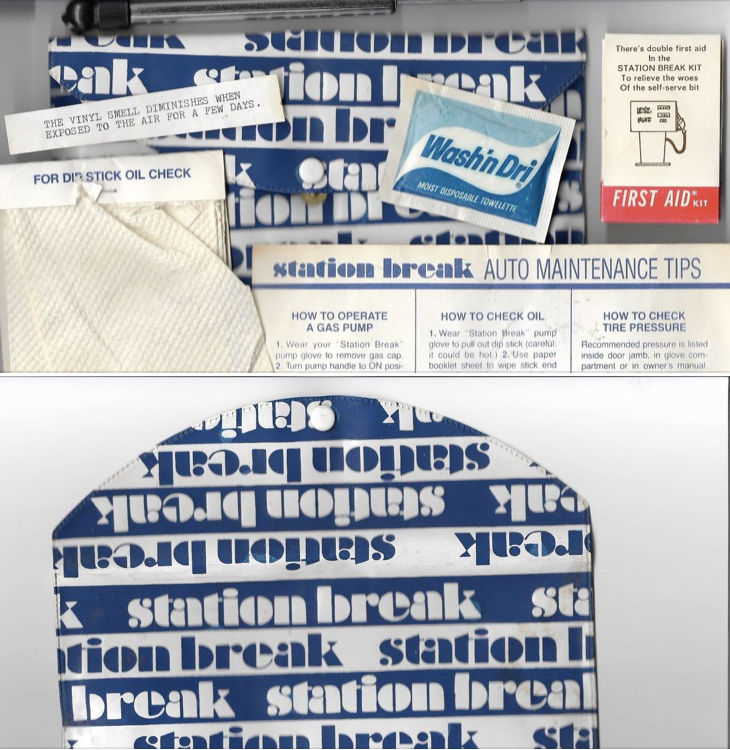
After her second divorce from Warren, she worked in Public Relations with the Automobile Association of America in Los Angeles. She returned to NYC in the early 1970’s and marketed her own idea for ladies who drove cars at a time when full-service gas stations were declining in popularity. Her “Station Break” was a kit for women that included basic car care instructions and helpful items to keep their hands and dresses clean. She was then working for Time/Life Corporation, as a maker of documentary and promotional films, and for the YWCA Job Corps, where she helped train inner-city girls to pursue careers that could take them out of poverty.
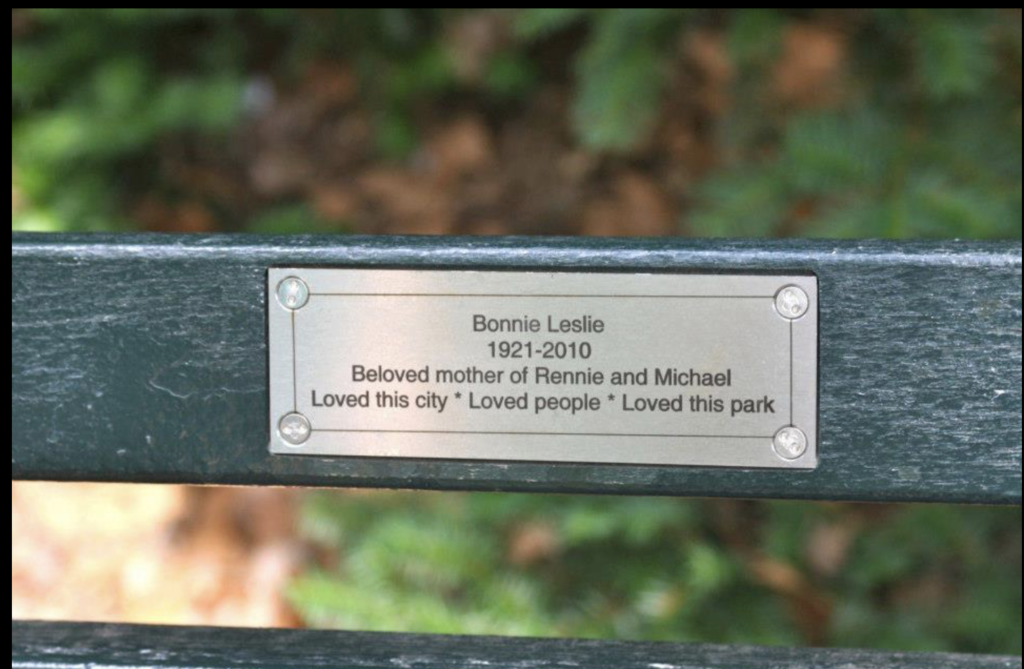
In the early 1980s, Bonnie returned to Dallas and became an important early supporter of the Undermain Theatre and The Dallas Children’s Theater. She was diagnosed with Alzheimer’s in 2006 and moved to be near her son, Michael in Upstate New York. She died in 2010. Michael dedicated a bench in NYC’s Central Park in her honor that remains today.
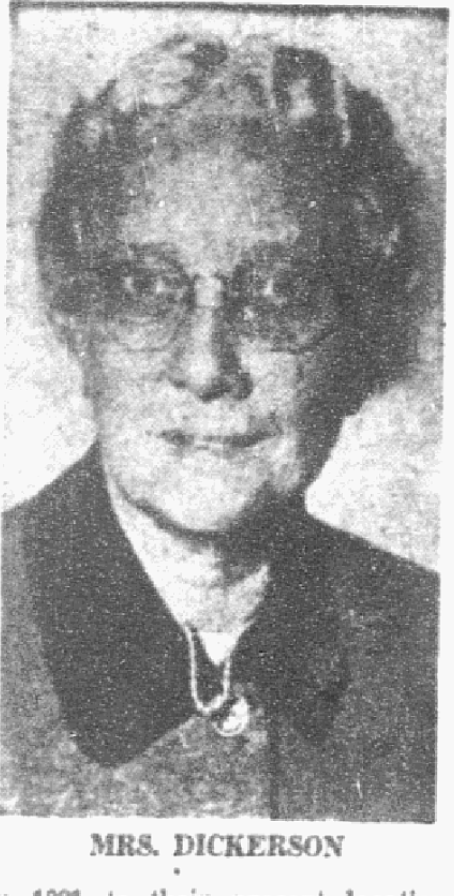
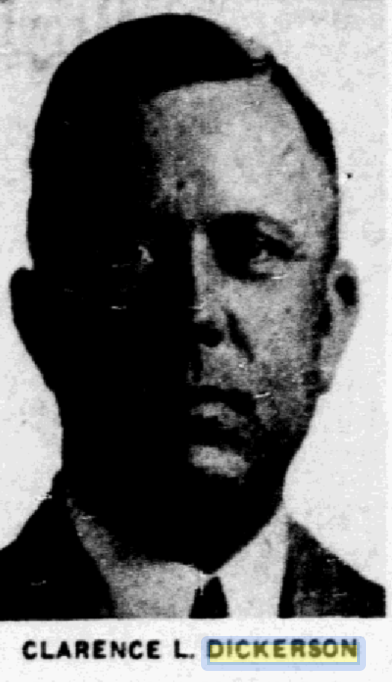
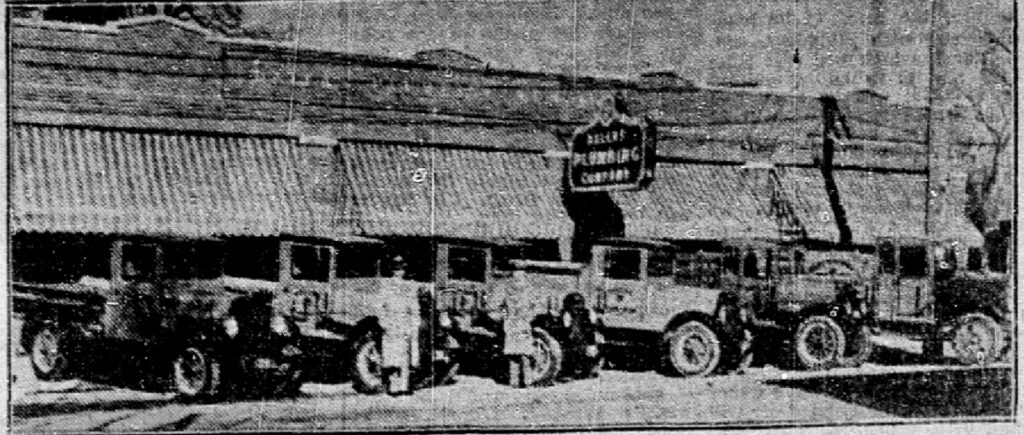
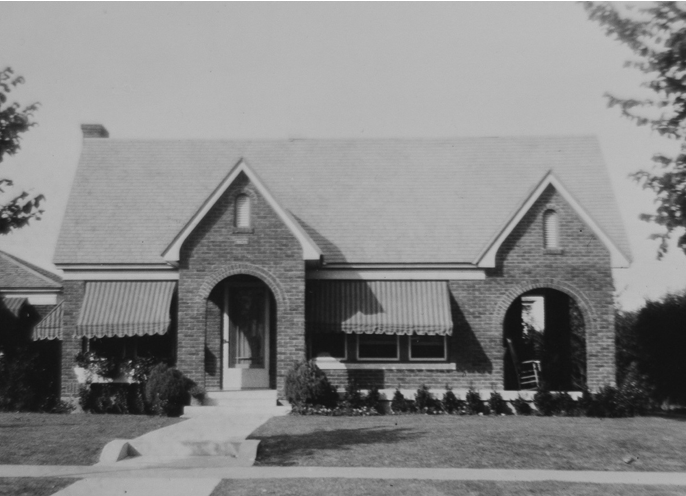
Why does this house have two huge master bedrooms on each side of the home? This was quite unusual in the twenties when it was built. Clarence L Dickerson and his closest friend, Ward Downs went into business together in 1918 after Clarence had the opportunity to buy the plumbing business he had been working in since 1903. They renamed the company The Dallas Plumbing Company and set up the business at 1620 Bryan in Dallas with Ward serving the plumbing needs of Dallas with a horse and buggy.
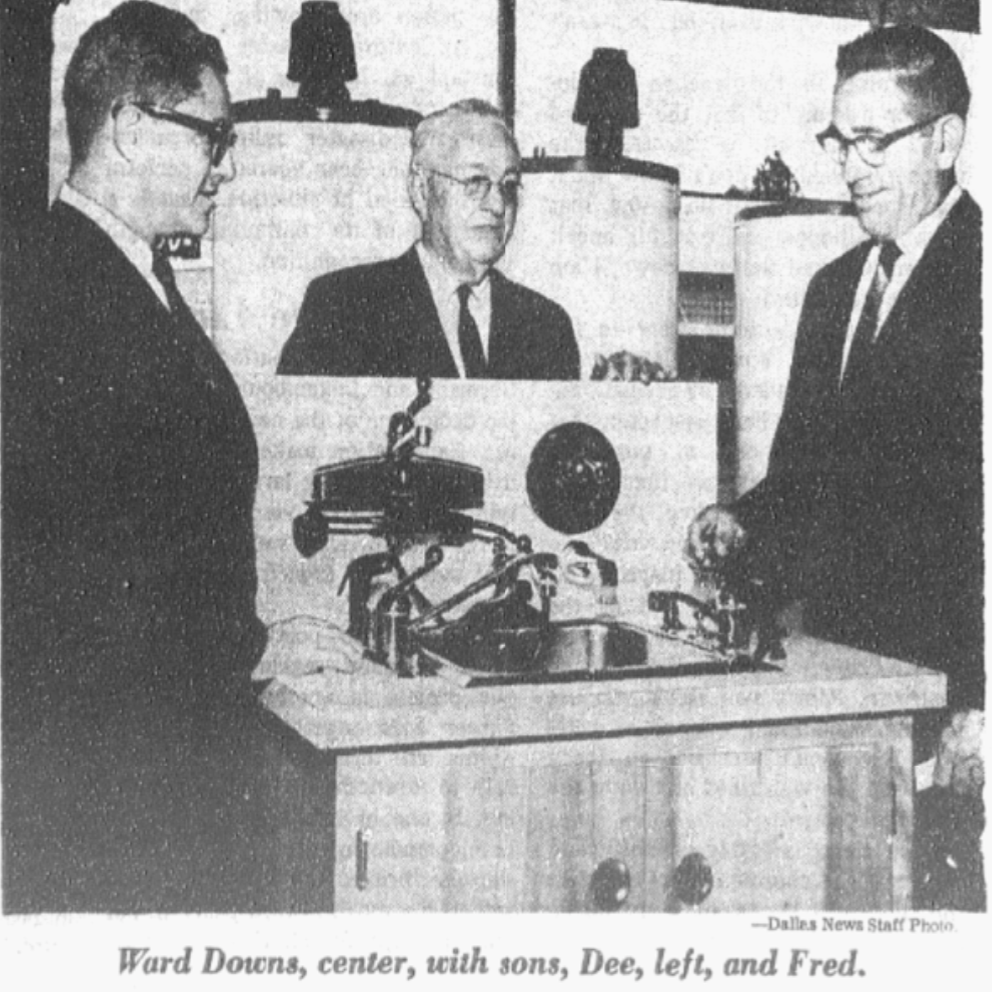
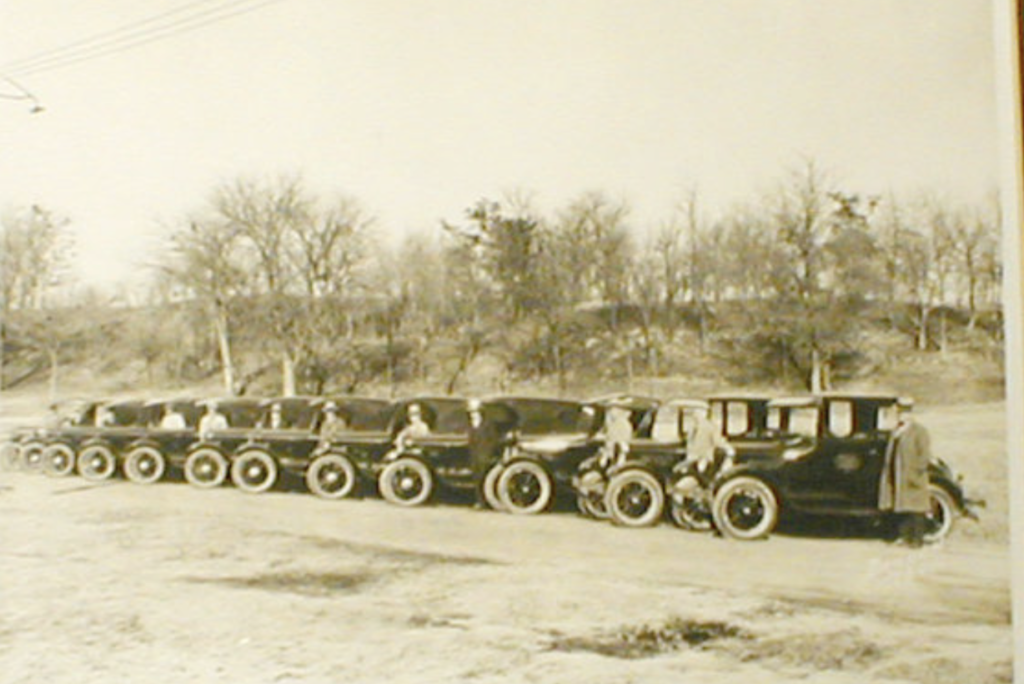
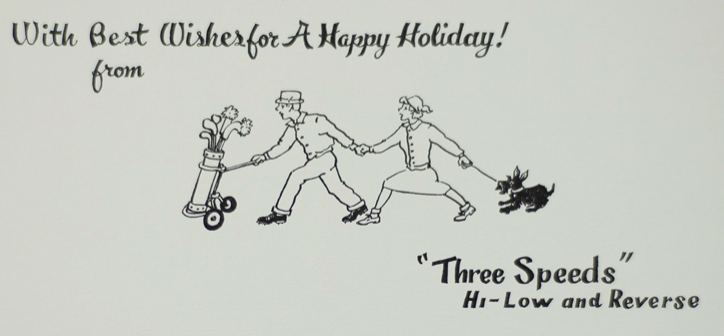
Clarence married Mary Sherman of Georgia and Ward married Fay Apperson, a Dallas native and they decided to continue to live in the same house together and share the responsibilities of the house and the plumbing business at 2712 Hibernia in Uptown. The business grew and found a new larger headquarters at McKinney and Fairmont Avenues. They purchased six REO Speedwagons (Ransom Eli Olds) to cover the city. They also built a beautiful colonial-style home for all four of them at 4420 Rawlins Street in Perry Heights with equal-sized masters bedroom suites. The Downs had two children, Dee and Fred Downs, who loved being raised by the two couples. Fay ran the house and cared for the children, while Clarence, Ward, and Mary ran the business. The boys always said they had two fathers and two mothers. In their personal time, Clarence and Mary loved to travel by car and garden on the home’s large lot. In 1933, the company installed the plumbing for the Highland Park Shopping Center at Preston and by 1938 had 80% of the plumbing permits for Highland Park. The business was incorporated in the late 1940s, several months before Clarence died in 1950. Mary Dickerson was then named President of the company, Ward Downs as Executive VP, and his sons also named Vice Presidents.
By the mid-sixties, when the company was celebrating 60 years in business they had 95 employees and 38 vehicles where they installed air conditioners in addition to plumbing needs. The boys, Dee and Fred, the company’s vice presidents, with Mary still leading the company as president and still lives at 4420 Rawlins with Ward and Fay. Johnny, of the third generation Downs, was named president in 1981. After over 100 years, the third and fourth generation still owns and operates the business.
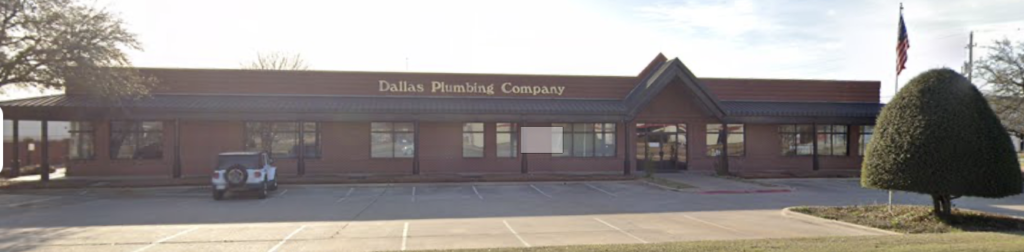
The current Dallas Plumbing Headquarters in Northeast Dallas on Plano Rd.
Fay died in 1979, survived by 8 grandchildren and 15 great-grandchildren. Ward died in 1984, followed by Mary who died later that same year. Clarence and Mary left a beautiful chapel at The First Methodist Church named the Dickerson Chapel on Ross that the couple funded as well as being lifelong major donors for the Scottish Rite Hospital.
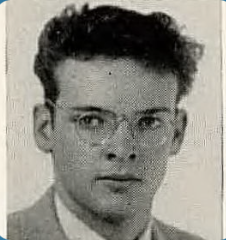
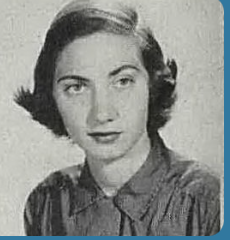
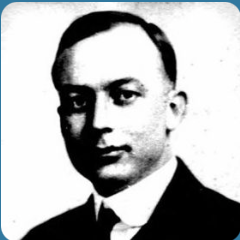
William R Gilliland (Bill) lost his father when he was two. He was raised by his mother along with his younger sister Ann at 4511 N. Hall. He attended SMU where he met his future wife, Patricia. Bill’s father, Roy Chester Gilliland was only 39 when he died.
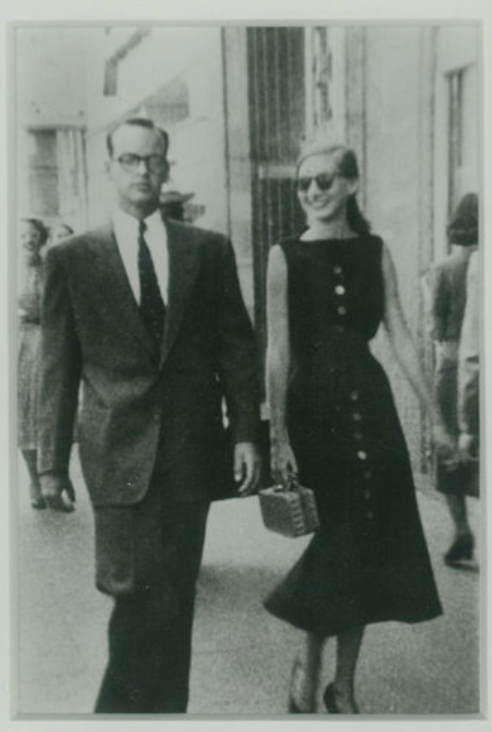
William (Bill) R GillilandPatricia Ann Mann GillilandA young Bill and Patricia
Roy Gilliland was born in 1890 to Mathias and Martha Gilliland, a Texas pioneer family in Grayson County, Texas, along with two other brothers and two sisters. The family had acquired acres of land for cotton, on which they discovered a huge oil reserve in the early 1900s. The eldest brother, J. W. started a family oil company named Gilliland Oil in the 1920s and ran the company for the family in the ups and downs of the oil industry, finally moving the business to Dallas in 1934, eventually merging it into General American Oil. He continued as the president, officing on the 14th floor of the Republic Bank Building in downtown Dallas. The new company acquired several more reserves, eventually holding over 400 wells. This was due in large part to the efforts of their accountant, Algur Meadows, who eventually took over and ran the business after J.W. retired.
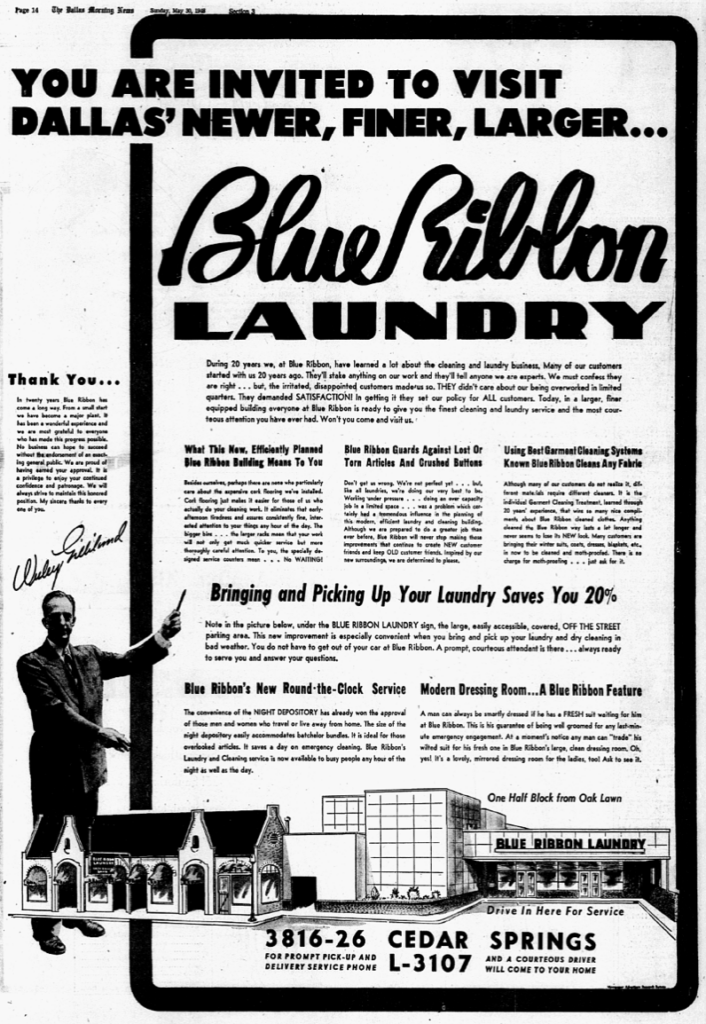
After being in the family oil business in the 1920s and having their brother J.W. run the oil company, the other two brothers, Roy and J. B., decided to start another business in Dallas. They opened Royal Blue Laundry at 3826 Cedar Springs, next to the fire station that still exists today. It was shortly after the crash of 1929. They both just started families and needed another family business to support themselves. The unusual Dallas winter of 1930 included a hard freeze in January. This caused a pipe in the laundry’s boiler to freeze. The boiler exploded sending metal everywhere, killing both brothers and injuring an employee.
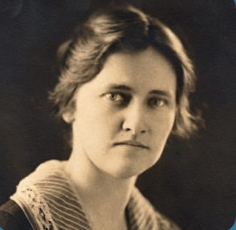
Roy had just started a family with his wife, Ruth Rowena Lucas, the youngest daughter of the original Lucas settlers of the town of Cedar Springs. Her great Uncle John Cole was the first doctor in the area in 1843 and Cole Street is named after him. In 1916 Roy and Ruth married in the Oak Lawn Methodist Church that still sits on the corner of Cedar Springs Rd. and Oak Lawn Ave. They had their first child, Bill in 1927, followed by Ann in 1929. Just after Roy’s death, Ruth moved into 4511 N. Hall Street to raise her children and remained there until her death in 1980.
Roy C. GillilandRuth R. Lucas GillilandThe deadly blast in 1930An advertisement of the rebuilt Blue Ribbon Laundry by other Gilliland family members
In 1950, at the age of 23, and after graduating from SMU, Bill married Patricia Ann. The following year, they drove his black Cadillac convertible to Mexico for their honeymoon where by chance they met a drummer from the Buddy Holly band and spent several evenings at the front table of nightclubs in Mexico City listening to the band. Soon after they started a family and moved to 4411 Rawlins St. in Perry Heights.
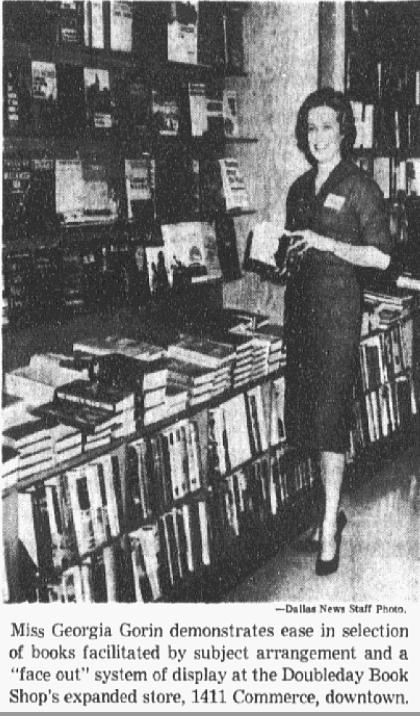
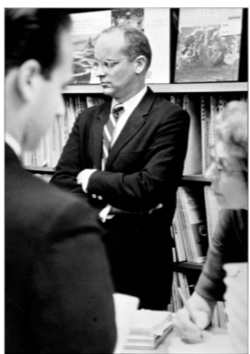
Bill and his Uncle Ralph purchased a bookstore in 1955 from Liz Ann McMurray. It was a Dallas institution that had been in business since 1938. Dallas was in the middle of the golden age of books and had some of the best booksellers in the country. Even Stanley Marcus considered adding book sales to his Nieman Marcus stores. Bill became the manager of the store at 1411 Commerce after they hired Arch Swank, a future resident of Rawlins St., to remodel the store and expand it. Bill eventually sold the store to Double Day in 1961, staying on as manager. He continued the popular Dallas Book & Author luncheons and Dallas’ recognition of National Library Week. He continued to award a literary prize, the McMurray Prize, for best Texas novels. Bill was known for bringing sleeper novels onto the best seller’s list and was sought after to review new books. He also gave local authors, such as Larry McMurtry and William Goyen, employment while they were in between novels. He opened a second location in North Park mall due to the success of his downtown store. His events with visiting authors were extremely popular.
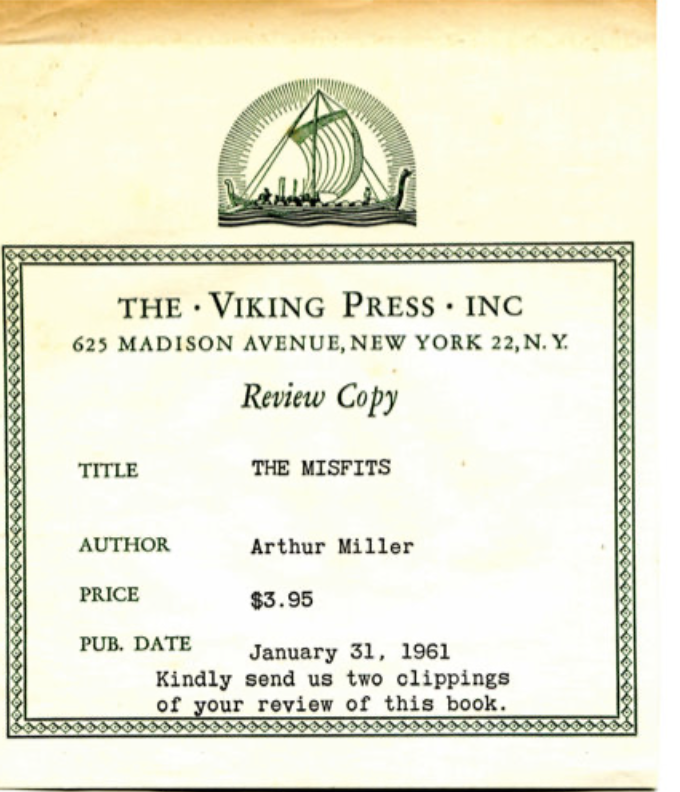
Bill at his bookstoreA review request for Bill Ad for Bill’s McMurray’s Bookshop
Bill was an avid collector of first edition books. He started another business as a partner and manager of Booked Up, which had a large collection of rare and hard-to-find books. He also had a lifelong love of jazz music and was the President of the Dallas Jazz Club. According to his son, Roy Gilliland, who is named after his paternal grandfather, Bill was called a “scene maker” by those in the press and literature world. He was very well-read and a “beat generation” guy. Bill often referred to himself as the Bookman. He also told lots of bebop jokes.
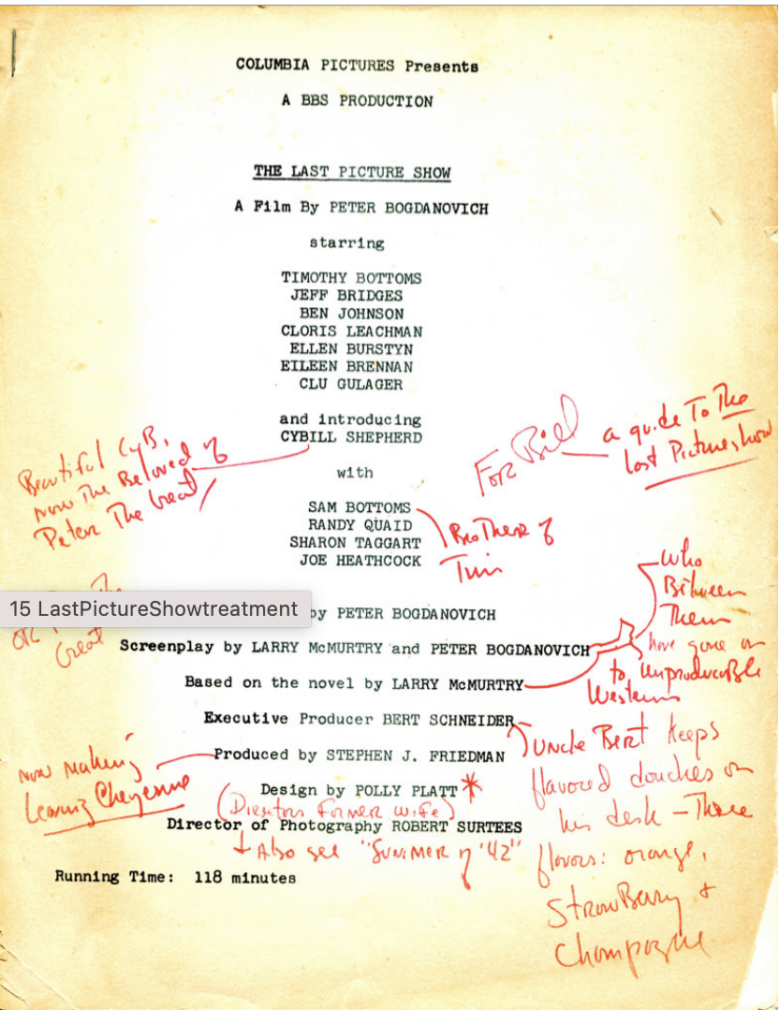
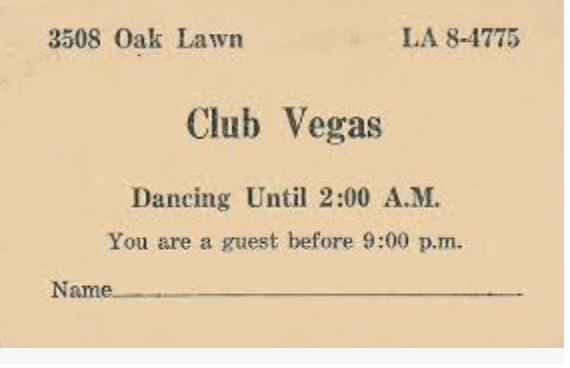
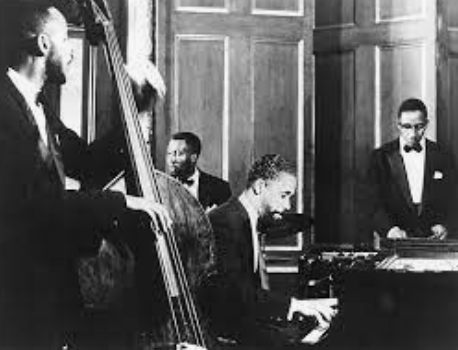
Bill’s friend McMurty’s bookMcMurty’s gift to Bill from the book treatmentKen Kesey, Counter Culture AuthorCard from Jack Ruby’s clubLegendary Modern Jazz Quartet
Bill also made an appearance in the Warren Commission Report in the aftermath of the assassination of President John F. Kennedy by Lee Harvey Oswald in Dallas. He had been questioned by the FBI as to why his phone number was in Jack Ruby’s phone book. Ruby had been arrested for the murder of Oswald in the days after the assassination. As it turns out, parts of Dallas were “dry” and Bill was a member at Ruby’s Club Vegas nightclub, located in Oak Lawn, where he could get a mixed drink after work and entertain his author friends. Those friends included Bud Shrake, A. C. Greene, and Bill Brammer. Another friend was counter-culture author Ken Kesey who came through Dallas in 1962 for a book tour of his novel, One Flew Over the Cuckoo’s Nest. While in Dallas, Kesey went to his reading and, in order to fire them up, threw rubber balls at the society ladies who attended. Shocked and outraged, the ladies left.
As further evidence of his progressive views, in the late 1950’s Bill arranged an appearance of the all African-American Modern Jazz Quartet at the Adolphus Hotel. At that time, Blacks were not allowed to stay at the hotel so he invited them to stay with his family on Rawlins St. The Gilliland children gave up their bedrooms to John Lewis, Milt Jackson, and the other band members, who filled the house with jazz using the family’s baby grand piano. Bill’s son, Roy, remembers being taught how to mix martinis (3 to 1 gin to vermouth) and was the de facto bartender for the party.
Bill and Patricia lived in the home on Rawlins St. until their deaths, his in 2010 and hers in 2012.
A special thank you to Bill’s son, Roy Gilliland who shared his family stories, growing up surrounded with great books, jazz, and progressive attitudes.
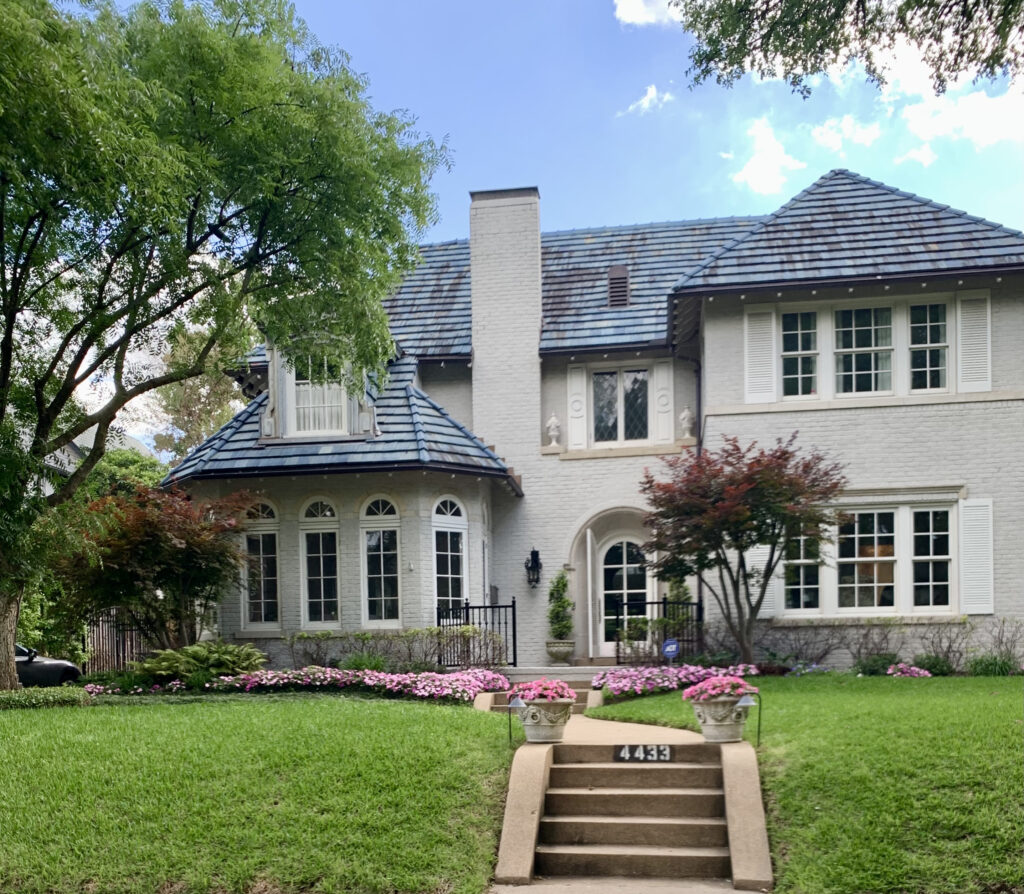
The blue-tile roofed home at 4433 Rawlins St. was designed by Sadler & Russell, architects and constructed by H. F. Self and Son, contractors, for owner Jack P. Burrus. To the new owners, the Maloney’s, it was a larger home than the one at 4332 Livingston where, until the late 1940’s, they raised their family. Robert Ignatius Maloney and his wife, Ester Emma lived here with their youngest son, Bill, and in between movie roles, their daughter, Dorothy Eloise Malone.
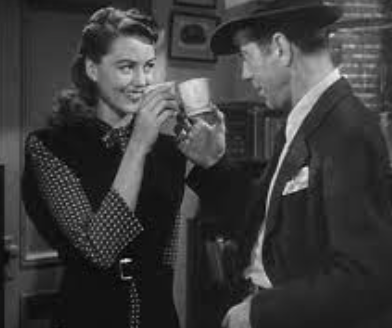
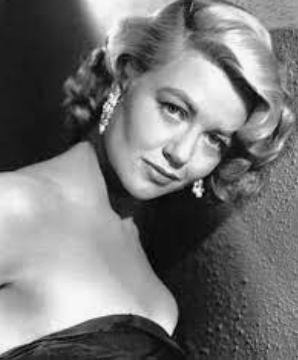
Dorothy with Humphrey Bogart in her breakthrough role in The Big SleepDorothy Malone, the movie star
Robert, from Kansas, and Ester, from Maryland, met and were married in New York and moved to Chicago to raise their family, including daughter Dorothy, the eldest. When Dorothy was still a baby, they moved to Dallas, where Robert worked for Southwestern Bell, eventually becoming the internal auditor for the company. They had five children. Two of their daughters contracted polio and even after seeking out treatment across the country, died in 1936.
Dorothy had already been to Ursaline Academy and graduated from Highland Park High when they moved to Perry Heights. Dorothy was discovered by Hollywood as an SMU student and by 1945 she was signed by Warner Brothers. In between movies, such as the The Big Sleep and Two Guys From Texas, she stayed in the family home on Rawlins visiting her parents and attending her Dallas friends’ showers and weddings along with appearances around town such as the Mardi Gras queen. She appeared in crime dramas, musicals, and westerns until the late 1940’s when she became discouraged and left Hollywood for her parents house on Rawlins. She became engaged to a young Dallas physician, Dr. Philip O’Brien Montgomery. They planned a June 1949 wedding. Unfortuntely, the engagement fell through and Dorothy poured herself into church activities and even worked for an insurance company before deciding to move to New York City to study theater. She then returned to Hollywood, a newly minted blonde, and was cast in Young at Heart in 1954. By 1957, she had won an Academy Award for Best Supporting Actress for Written on the Wind, co-starring Rock Hudson.
Dorothy accepting her Oscar for Best Supporting Actress and dedicating it to her younger brother
Back on Rawlins, her parents had another devasting loss. Their 16 year old son, Bill, a sophomore at Highland Park High, a football quarterback, and a golf champion was killed by lightning on the Dallas Athletic Club golf course in August of 1954. Dorothy dedicated her Academy Award to her brother in her Oscar acceptance speech.
The Maloneys moved from Rawlins shortly after the tragedy to 5351 Livingston (near their first Dallas home) and later to Versailles Ave. Ester died in 1983, followed by Robert in 1985 leaving Dorothy and another son, Robert, who had become a Dallas judge. Dorothy died in Dallas in 2018 at age 94 and is survived by her two daughters, Mimi and Diane, and six grandchildren.
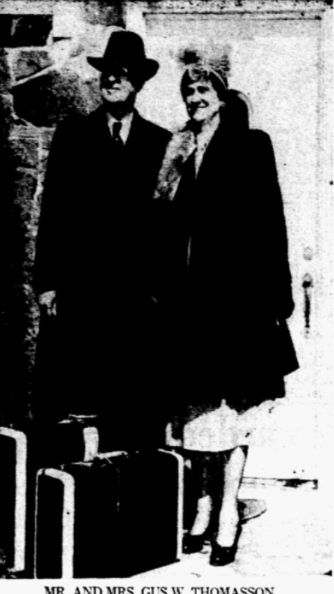
We hear Gus Thomasson’s name almost every day on the news in connection with the road that is named after him. However, Gus Thomasson and his family gave so much to North Texas and our country. Not only is he a historic figure, but a famous past resident of Perry Heights.
Gustavus “Gus” Winzo Thomasson was born in 1870 in Franklin County, Texas. His first job was working at the dry goods store he and his father opened in Van Alstyne. Gus soon met and married his wife, Annie Laurie McKinley (whose father was a signer of the Texas Declaration of Independence). They moved to Dallas in 1909 and he eventually became the VP and general manager of the Perkins Dry Goods Company from 1919 to 1932. Gus then went into public service. He served as the chief of the Work Progress Administration (as a part of the New Deal Infrastructure project) for North Texas from 1935 to 1942. As the chief, he directed such projects as the Dal-Hi (P.C. Cobb ) stadium, Rockwall County Courthouse, Highland Park water system, Harry Hines Boulevard, numerous roadside parks, recreational activities, writers, and musical programs. He oversaw 32 WPA offices for 40 counties in North Texas. Gus was always very proud that no hint of scandal or accusation of misuse of public funds touched the WPA projects he directed, which had a total budget of $100 million (roughly $1.6 billion in 2021 dollars). For this reason, he could be considered one of the most honest public servants in Dallas history.
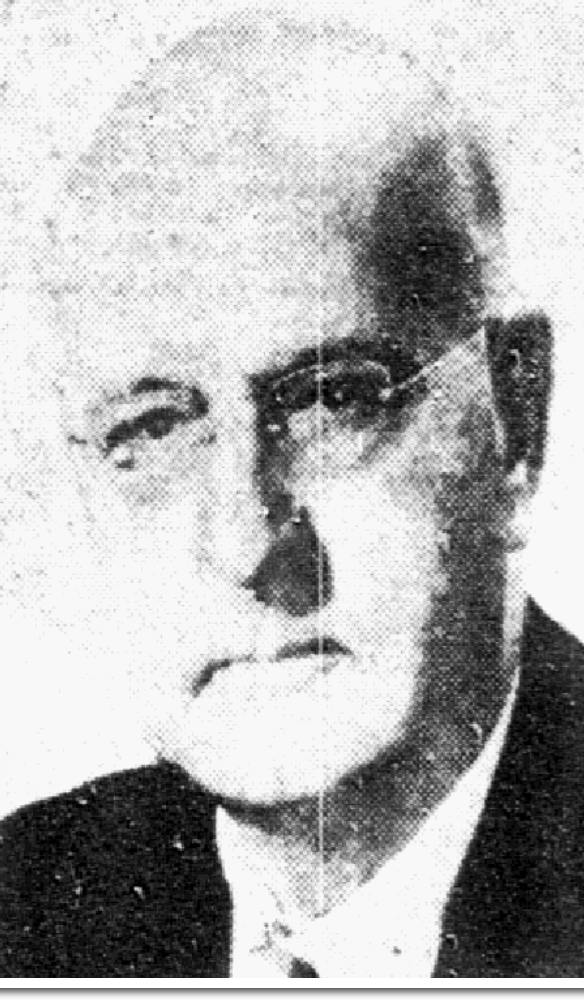
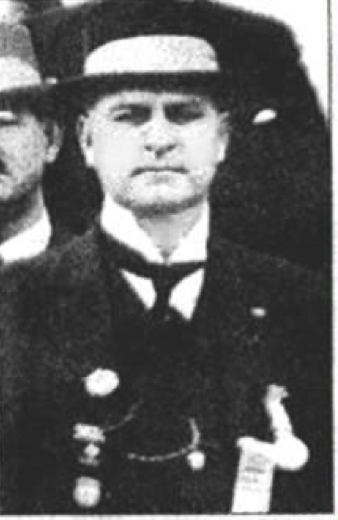
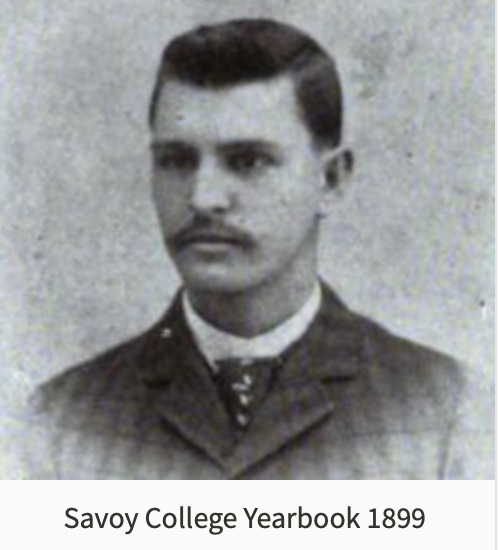
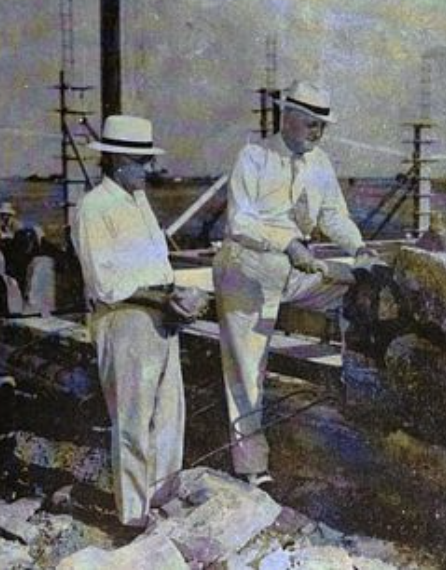
Gus ThomassonGus ThomassonGus as a young man Gus W. Thomasson and George Lotridge
In the 1930s, Gus moved into the home on the corner of Rawlins and Prescott with his wife, Annie, and their young son, Gus W. Thomasson, Jr. Their son went to Tulane University and became a physician. Gus Jr. then met and married Lillian Ann Wingo of Nashville. They had an intimate wedding in the beautiful garden of his parents’ home on Rawlins. The wedding was officiated by a neighbor, Bishop John M. Moore. After their honeymoon cruise in the Gulf of Mexico, they returned to Dallas to be honored at a large party given by Mr. and Mrs. E. Gordon Perry at their home at 4327 Rawlins. After living in Nashville for a short time, the couple returned to Dallas, where Gus Jr. briefly had a medical practice at the corner of Oak Lawn Ave. and Routh St.
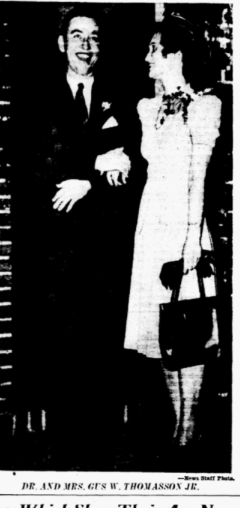
Dr. and Major Gus Thomasson, Jr.and wife Lillian Ann in 1939Gus Thomasson Sr. ‘s second marriage to Vera English in 1949
At the onset of World War II, Gus Jr. joined the Air Force as a flight physician and was stationed at the Childress Air Training School. It was during a training flight in 1943 that he was killed in a crash. He left his wife, Lillian, to raise their two children. It was in the same garden at the Rawlins home where they were married that the Thomassons held his memorial.
Annie Thomasson died a few years later in 1947. Gus Thomasson married Vera English Clark, a widowed college English teacher, in 1949. After Gus’ death at the age of 83 in 1954, Vera continued living in the Rawlins home and was involved in civic and club work, including the Daughters of the American Revolution. She married her third husband, Cyrus Langrone, and the two lived in their home on Rawlins until her passing at the age of 72 in 1964.
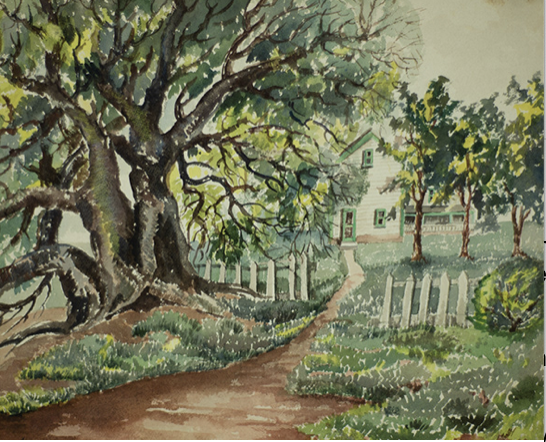
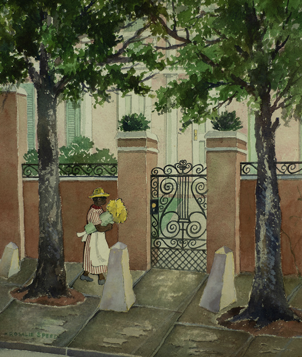
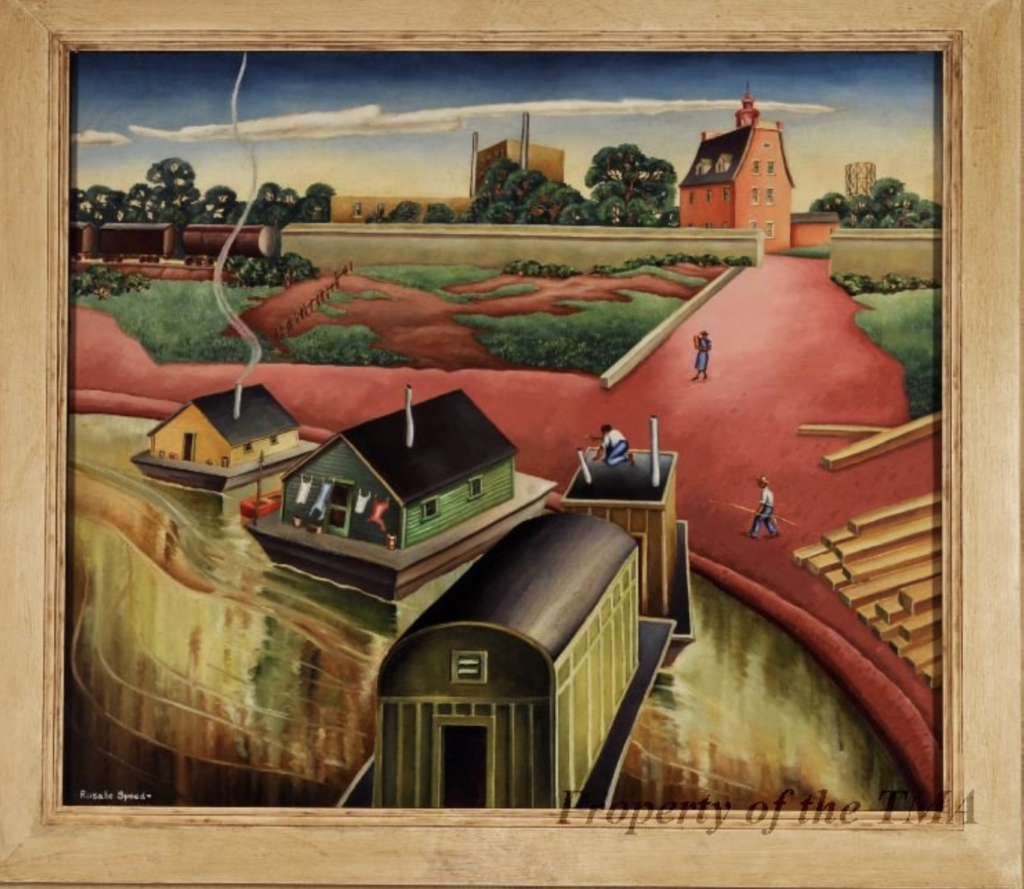
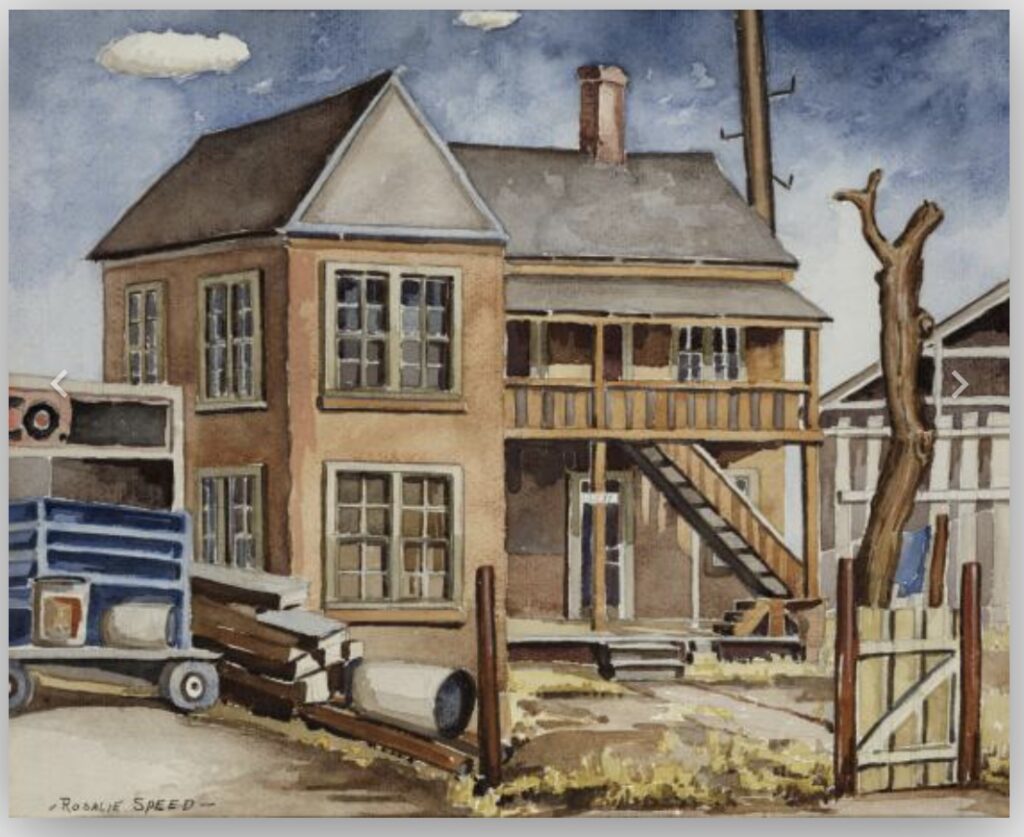
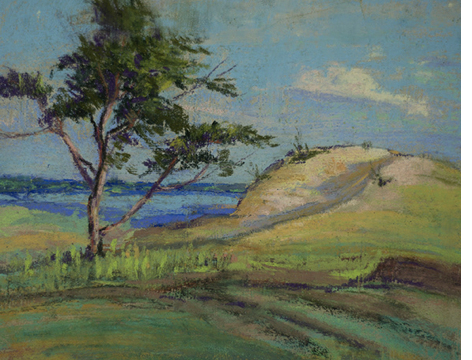
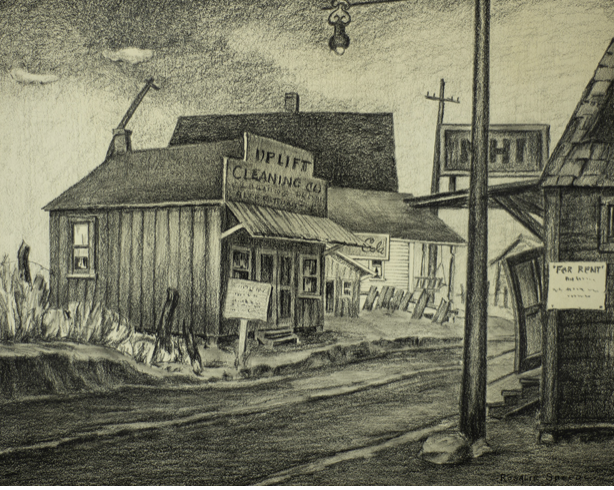
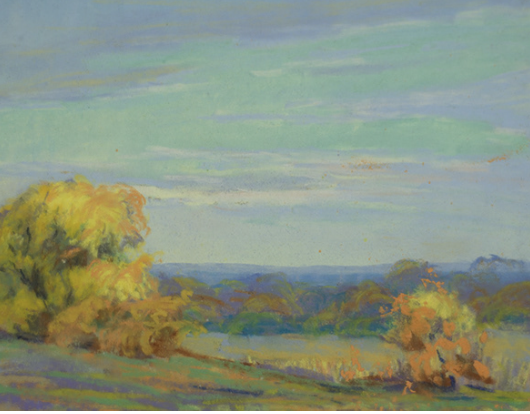
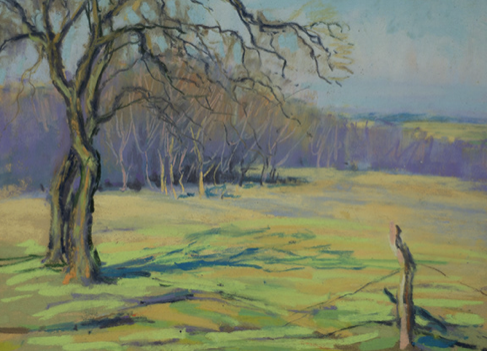
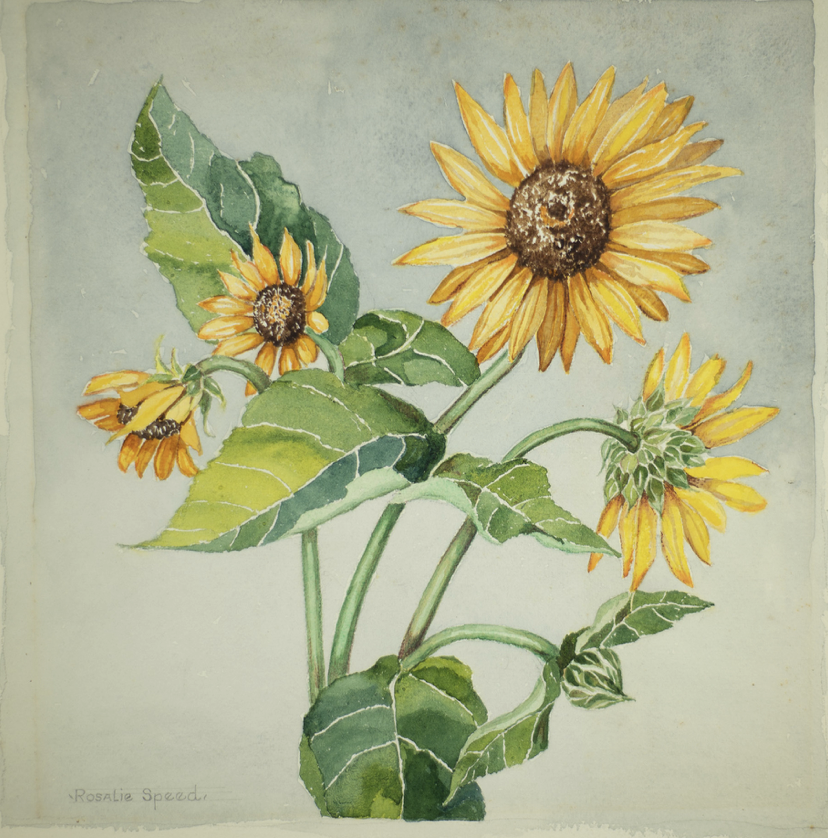
Rosealie Speed was an early Texas artist, painting professionally since 1929, who has one painting in the permanent collection of the Dallas Museum of Art. She has had exhibitions in the museums of San Francisco, Kansas City, Panhandle Plains, and Tyler, Texas. Her favorite subjects were landscapes and flowers and favoring oil and watercolors. She loved painting while visiting Sante Fe, Albuquerque, and Gallup, New Mexico.
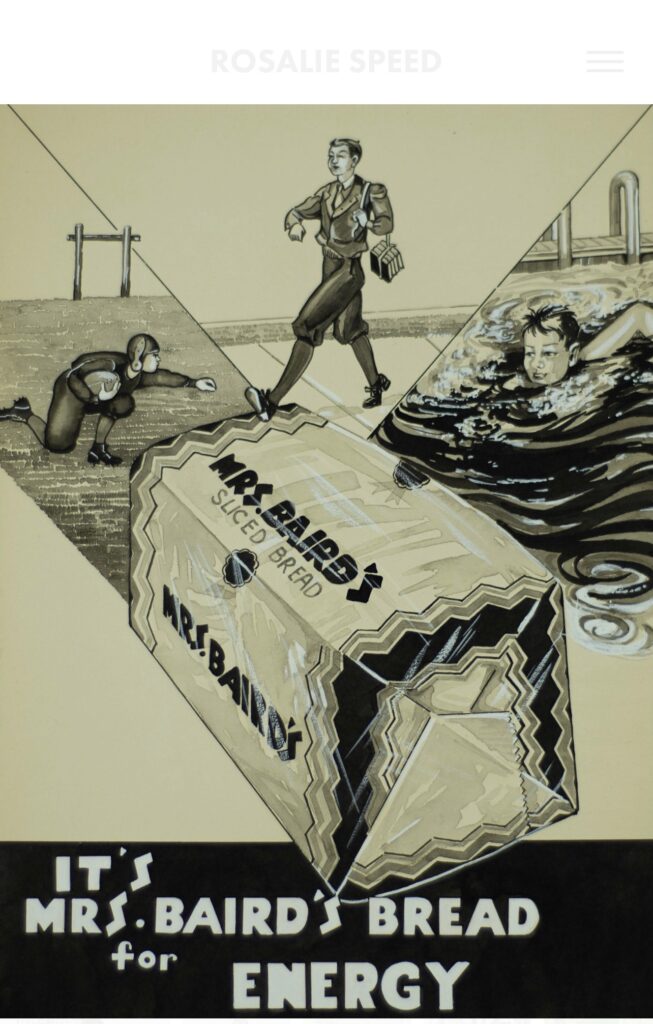
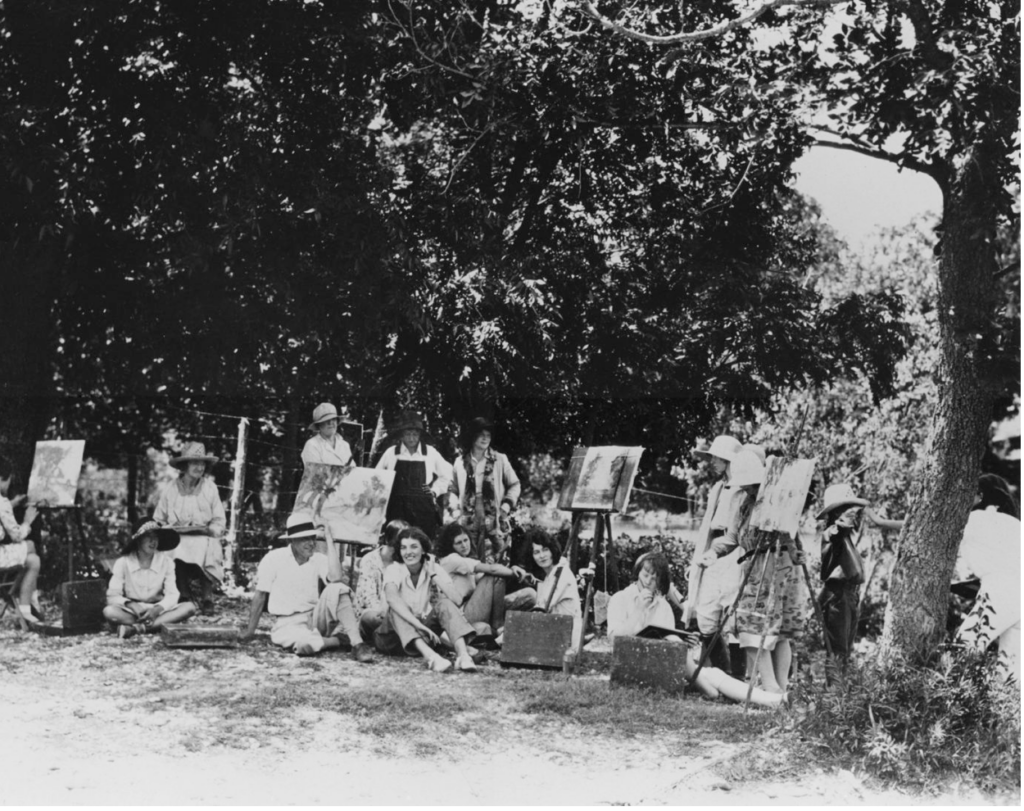
She was born November 27, 1903, in Dallas to Julian H Speed and May McCall Speed. Her family moved into the brand new Perry Heights home on Vandelia in 1927. She would live there for 77 years before she died at age 100. Rosalie attended Woodrow Wilson High School and then SMU and TWU before studying art at the Aunspaugh Art School. (Dallas’ first formal art school). Rosalie Speed worked as a commercial artist for several years doing advertisements such as the one above for Mrs. Baird’s bread. She was invited to join Frank Reaugh to travel and paint as a part of the Texas Regionalist Movement during the 1930s and 1940s.
Frank Reagh Art Club painting The artists who followed Frank Reaugh to the Concho River dreamed of capturing the Wild West before it disappeared.
Rosalie Speed was awarded a prize in 1935 from the Dallas Museum of Fine Arts. She exhibited with fine artists such as Frances Skin, Otis Dozier, and Jerry Bywaters and was very active in the Dallas art scene.
Miss Rosalie Speed
Rosalie loved flowers, especially roses and primroses, which she grew at her Vandelia Street home. She also loved dogs and had several during her life. She took great care of her mother who was ill for several years and died in 1950. Her father lived to the age of 106. Rosalie created many beautiful images until her death in 2004 and has left the world a more beautiful place.
Michael Grauer with the National Cowboy Museum in Oklahoma, an essayist and image editor will be including Miss Rosalie Speed in a forthcoming volume on women artists of Texas to be published by Texas A&M University Press in the near future. For more images of Miss Rosalie Speed’s works, follow this link https://rosaliespeed.myportfolio.com/work
Thank you to the current owners of 4434 Vandelia, Bruce Jones and Hong Young for their research.
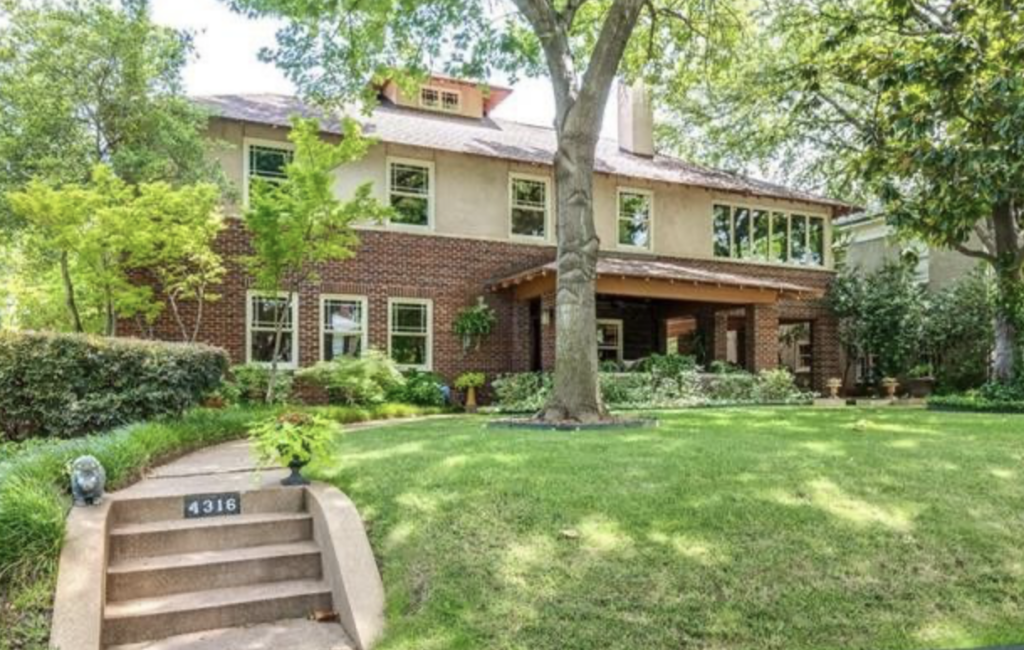
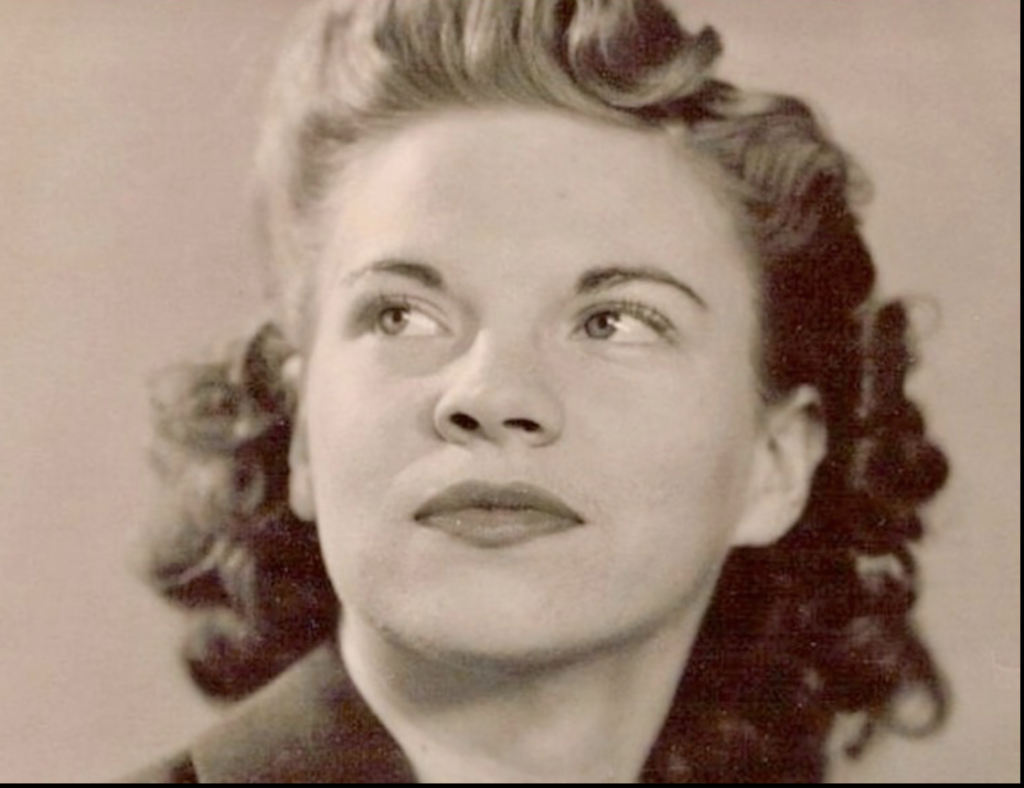
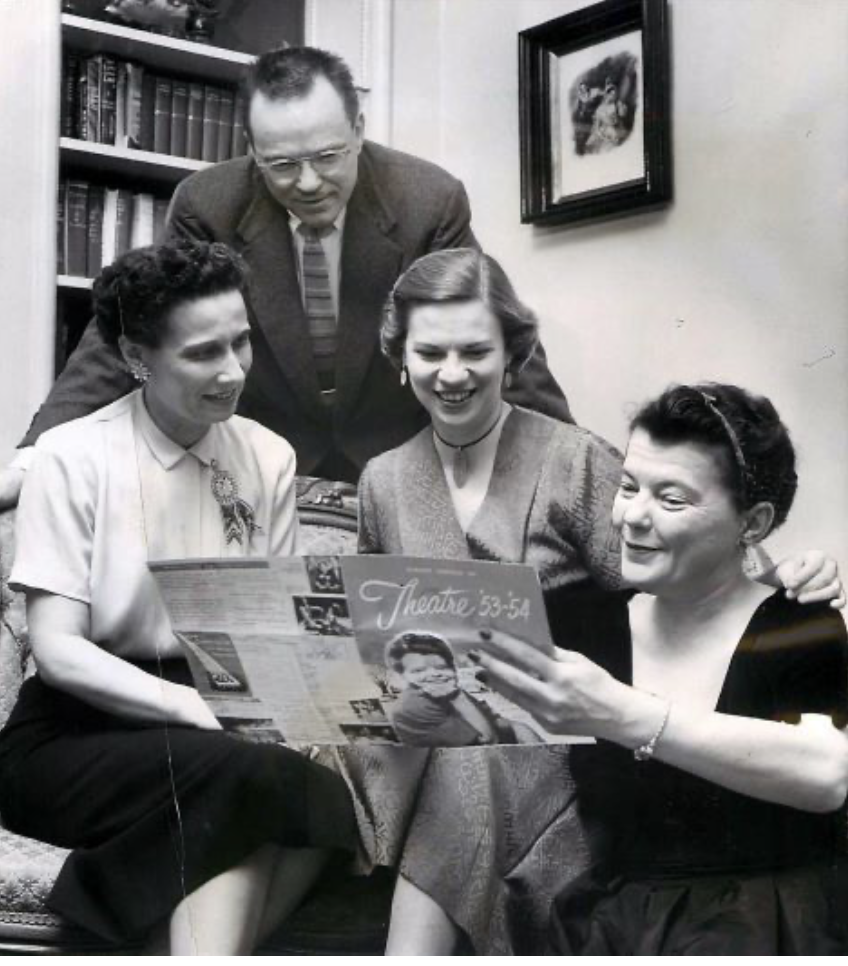
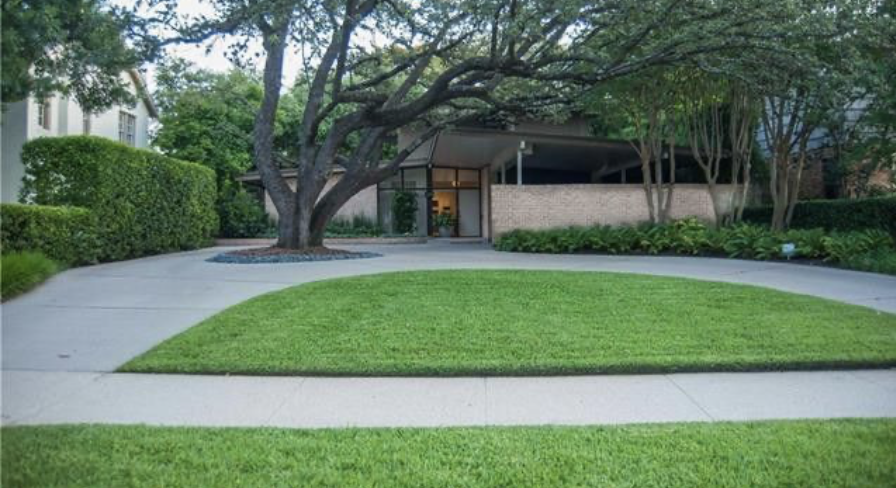
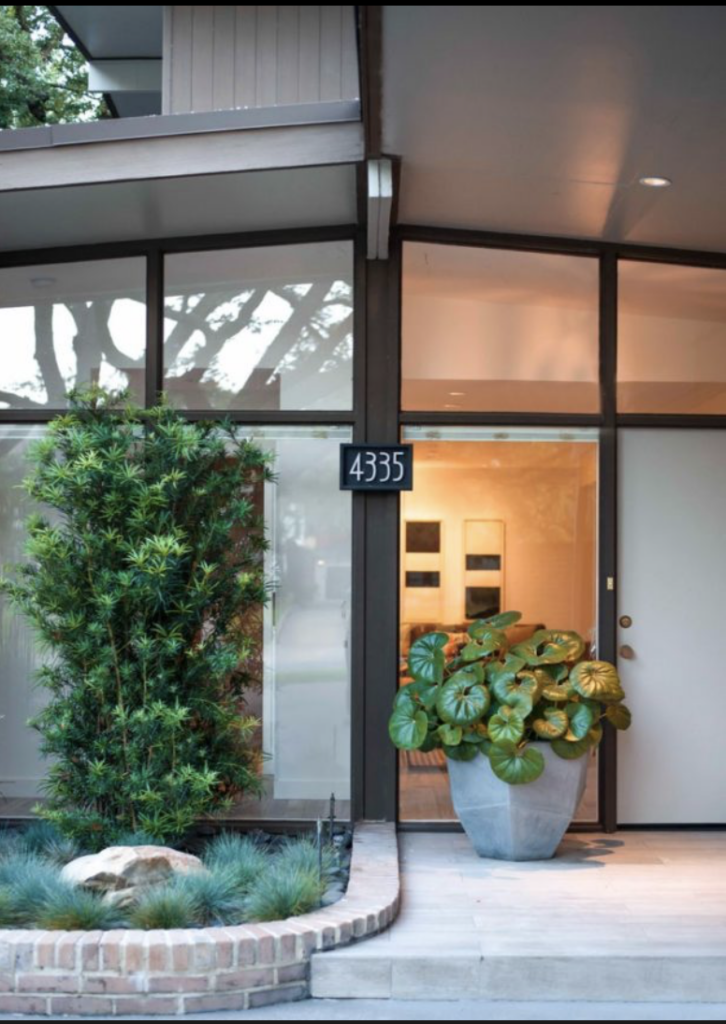
Arch and Patsy Swank moved into this large craftsman, Frank Lloyd Wright-inspired home at 4316 Rawlins with over 6,000 square feet built in 1944 with a huge front porch to accommodate their family of four children in the Spring of 1958. They were a Perry Heights super couple. Both were known to be smart, cultured, progressive-minded, with a great sense of humor. Arch jokingly referred to his home as a mid-continental, crude style, probably because it was not in the style of his modernist esthetic. He and Patsy did enjoy living in the home, staying there through the 1980s, and raising their children Before he purchased the home, he designed the home across the street at 4335 Rawlins for Miss Frances Thompson in 1954. The Swanks loved that the home had plenty of room for their family and there were several families with children in the neighborhood at that time.
Arch, Patsy, and the couple being shown a 1954 Theater schedule. The home at 4335 Rawlins that Arch Swank designed in 1954 for Miss Frances Thompson, who became his neighbor four years later.
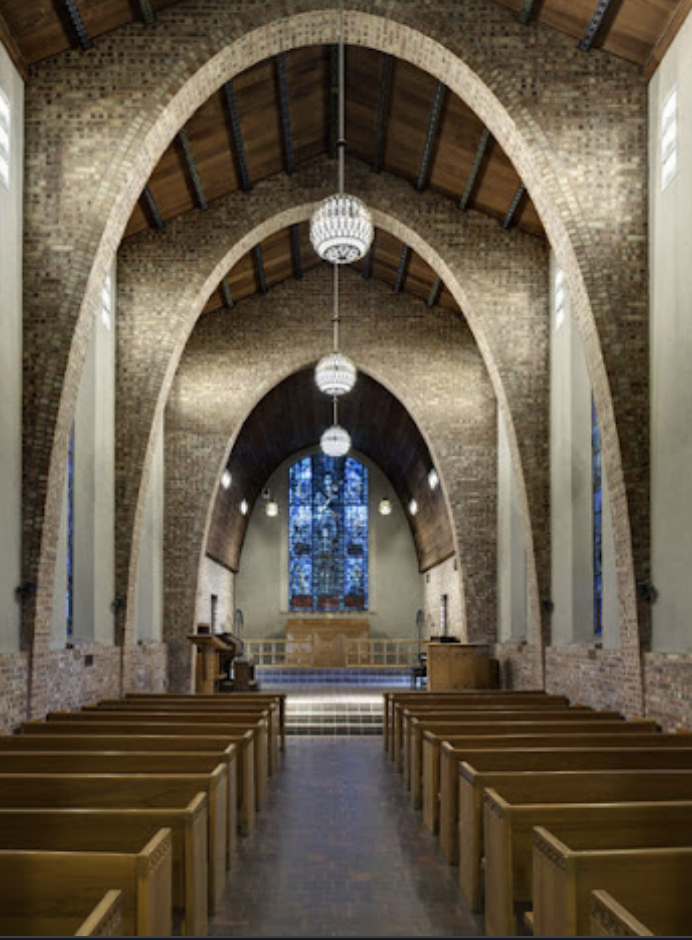
Arch was an award-winning architect with his own firm that designed Wynnwood and Preston Center shopping centers, the Texas Instruments complex, as well as beautiful modernist residential homes in Dallas. Early in his career, he designed and oversaw the Little Chapel of the Woods in Denton which was always his favorite project. Patsy was an award-winning journalist for The Dallas News before starting her family. She was credited for alerting Life Magazine about the existence of the Zapruder film after the Kennedy assassination. She was then an arts reporter at KERA and later had her own show, “Swank in the Arts” where she was the writer and producer.
Little Chapel in the Woods, Denton that Arch Swank designed
Arch and Patsy had strong moral standards when it came to their community. Arch was credited with refusing to redesign Parkland Hospital in the 1950s with a separate entrance for Black patients as well as insisting the charity ward was air-conditioned, which was not in the original plan. He and Patsy also opposed the City of Dallas’ plan to enlarge Turtle Creek Boulevard into a six-lane thoroughfare for faster access to downtown and formed the Save Turtle Creek Committee which led the effort to oppose this widening plan. Ultimately, the boulevard between Blackburn and Routh streets was widened, but with a larger median, and saving more mature trees, while giving the community more say in its design. The Swank’s involvement caused Arch’s firm to be fired from all future projects by Neiman Marcus since Stanley Marcus was a supporter of the plan. Arch and Patsy had the courage to speak up when nobody else would. Their commitment to high ethical and moral standards continues to make life a lot better for the rest of us.
Patsy served on the board of directors of the Dallas Art Magnet School, co-founded Aids/Arms, one of the first public AIDS services in Dallas, and served on that board for six years. She also initiated one of the first arts magazines in Dallas. Arch served on the Allied Arts of Dallas, Dallas Chapter of the American Institute of Architects, The Charter League, and The Dallas Jazz Society. Arch passed away in 1999 and Patsy passed away in 2006.
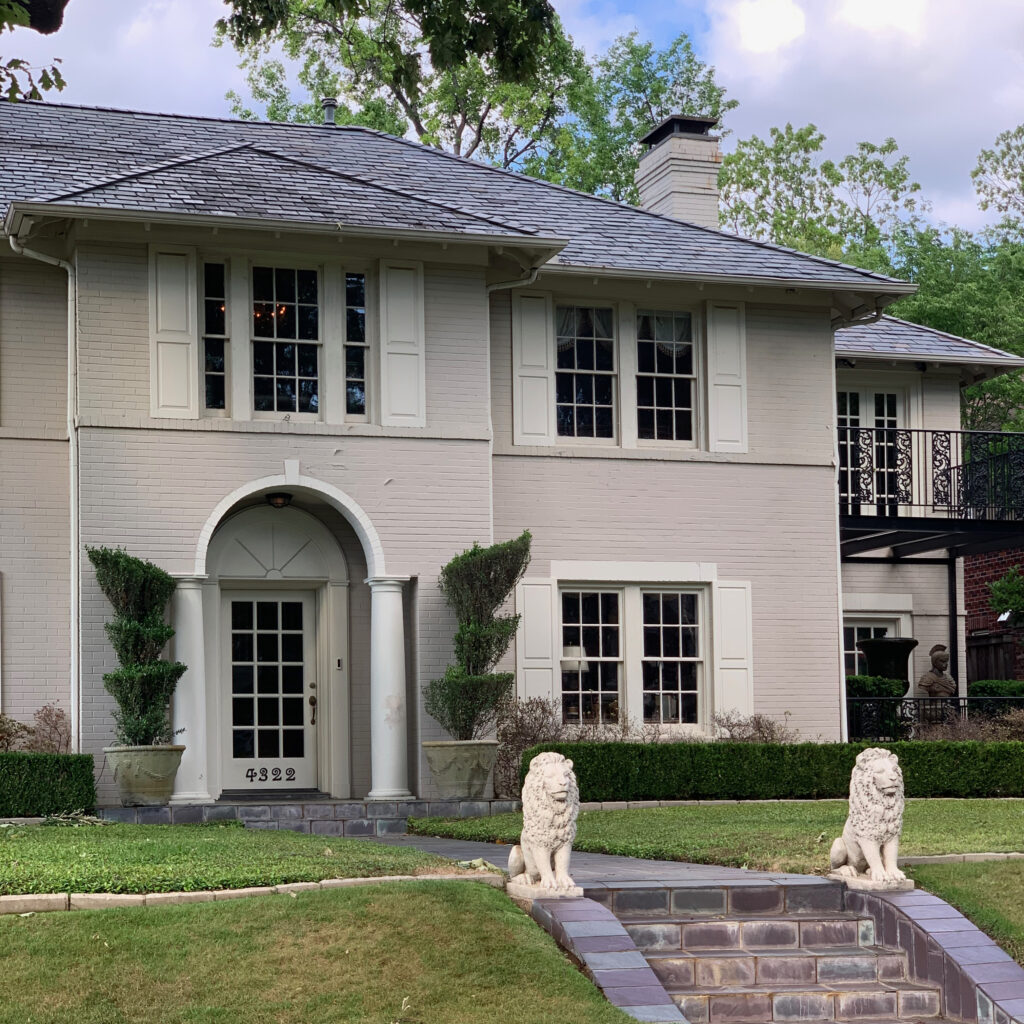
Perry Heights was home to one of the most sought-after men for decades. He lived at 4322 Rawlins with his life partner, Earl E. Jones in the ’50s and ’60s.
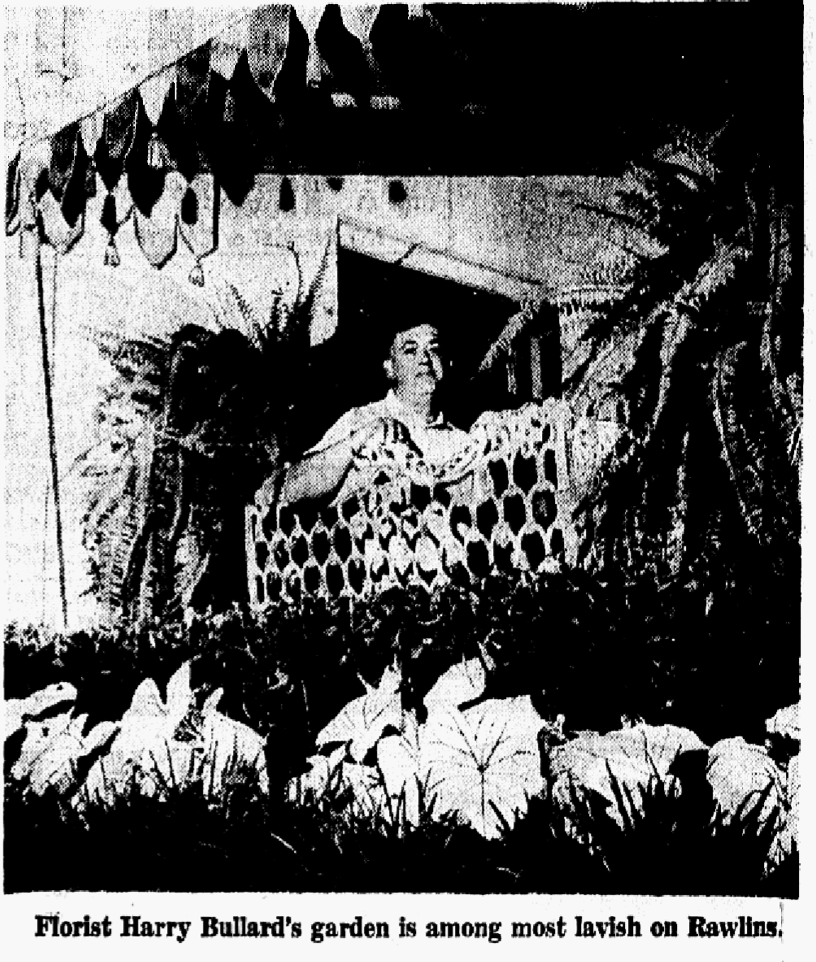
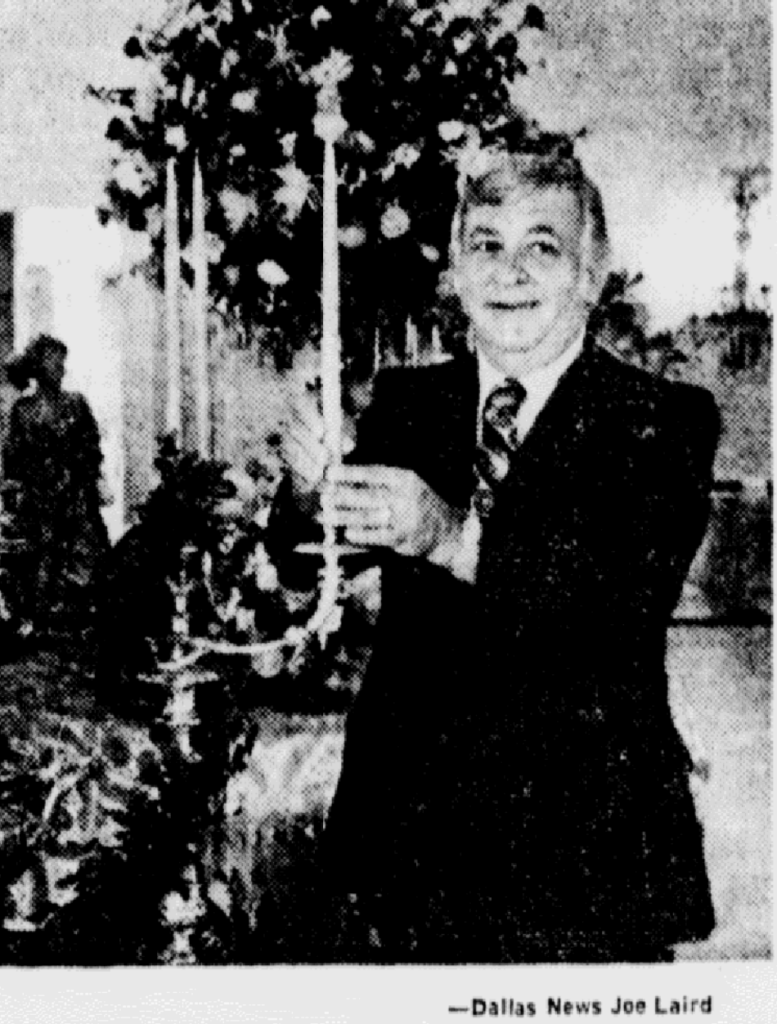
In the 1960s, no one who was anyone gave a party in Dallas without calling Harry Bullard. It was said, “If they couldn’t get Harry, they just wouldn’t have a party”. He opened his floral shop on Fitzhugh Avenue in 1951 and began decorating Dallas homes and ballrooms with his floral displays and greenery. Generations of Park Cities debutantes bowed amid his floral arrangements and later carried his bouquets down the aisle at their weddings.
Celebrities would contact Bullard when they came to town to buy his services. Joan Crawford even sent him a note telling him that she had never seen such beautifully exquisite displays in her life.
Harry Bullard was born and raised in Chickamauga, Georgia, and always had a love of flowers. In 1946, he moved to Dallas and began working with other florists. Mrs. E.L. DeGolyer of the Dallas Arboretum fame noticed his talent and ask him to landscape her 48 acres estate. Mrs. DeGolyer’s trust and recommendations encouraged him to open his own shop and event planning business after he was called on to do the biggest debutante ball of the year in Dallas.
His weddings were lavish. One wedding had 5,000 gardenias floating in a pool and another had 700 roses just for the bride’s table. He once turned Idlewood into a medieval castle for Troy Post’s daughter’s debutante party. Bullard was also flown to Acapulco and other fantastic destinations to decorate homes and plan parties of Dallas’s elite.
Harry Bullard and his partner maintained a beautiful home on Rawlins. It was the envy of the block. Harry also owned an antique shop and was the president of the Texas State Florist Association. He was helpful to local garden clubs, often allowing them time in his shop selecting flowers. Harry later retired to Lake Tawakoni.
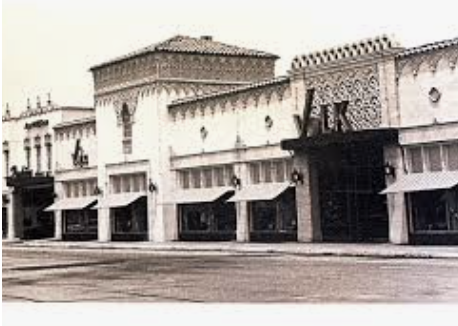
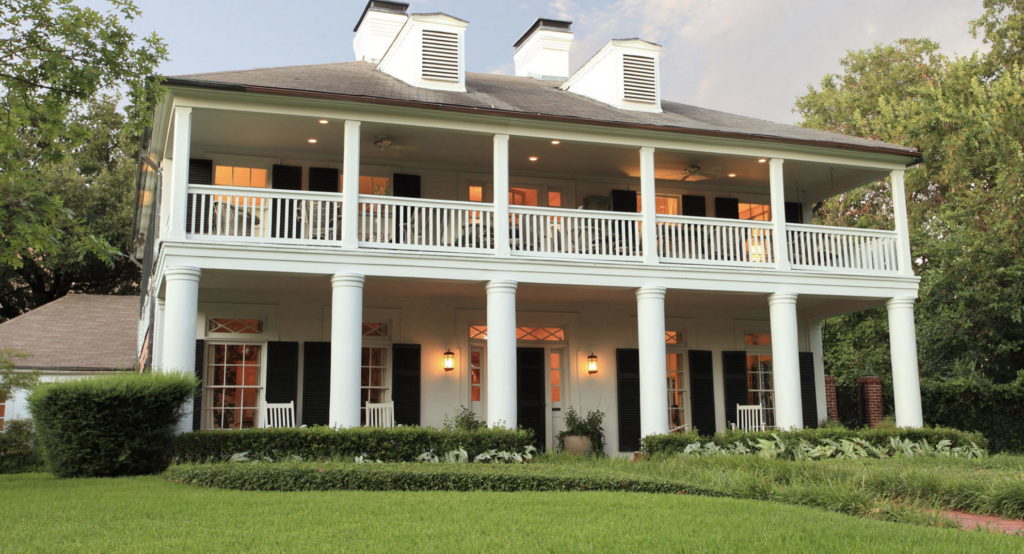
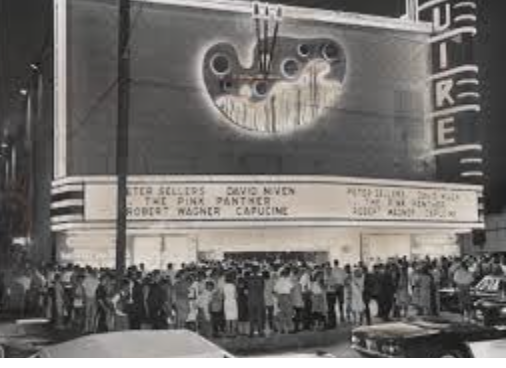
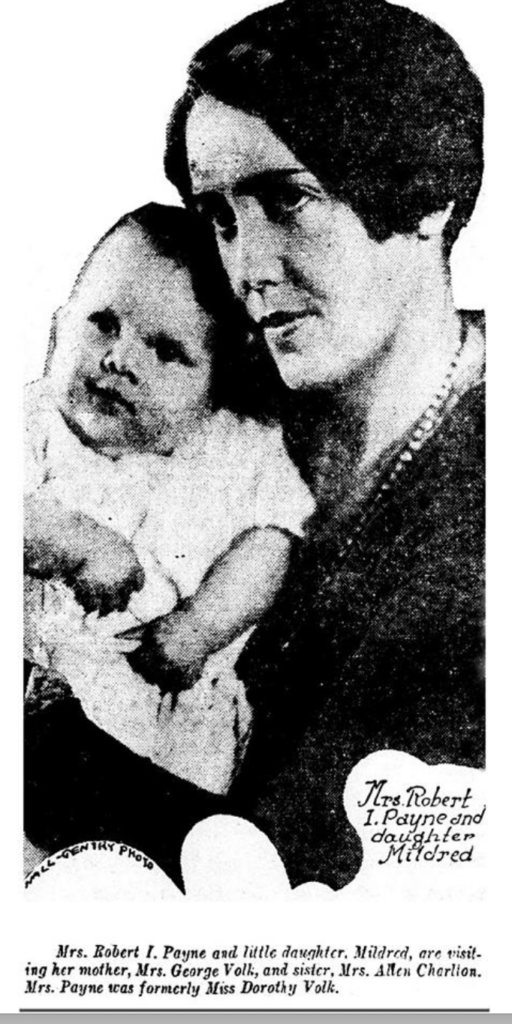
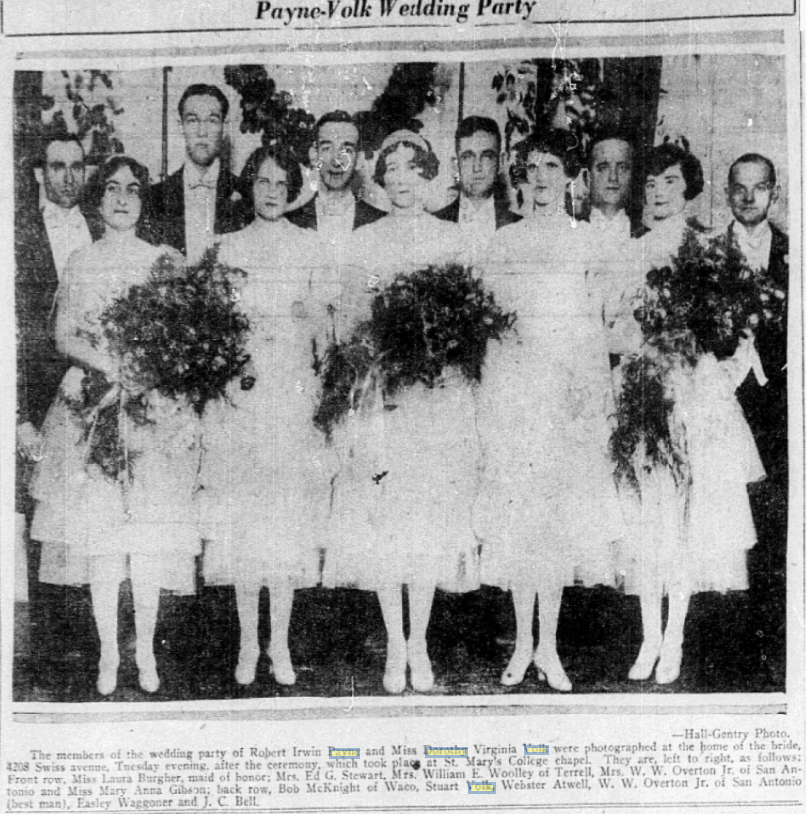
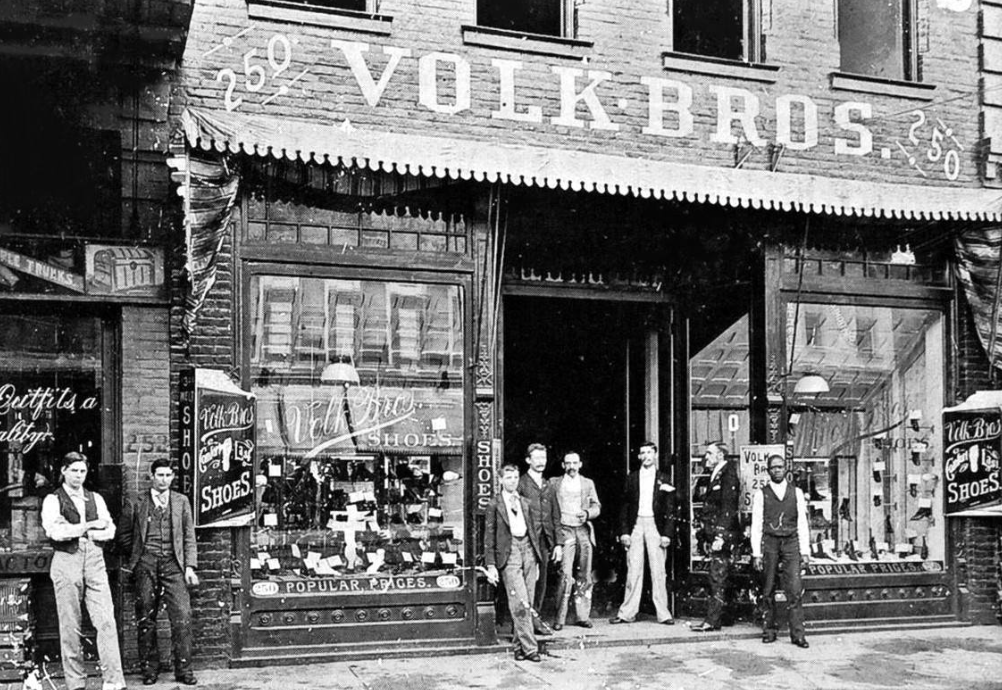
In 1936, Mr. and Mrs. Robert Irwin Payne hired architect, Ralph Bryan, to design their home at 4524 Rawlins Street in the style of a Louisiana plantation home. They toured several Louisiana plantation homes to collect what Mr. Payne wanted in his own home. The site was at the corner of Rawlins and Hawthorne, right across from Craddock Park and the Perry Estate, and completed in 1940. Robert I. Payne was a theater executive and ran many of the city’s movie theaters, such as the Esquire Theater on Oaklawn, which were wildly popular at the time. The couple lived in the home with their daughter, Mildred (Mimi) Payne. Mrs. Dorothy (Volk) Payne was the daughter of the famed George Volk, founder of the retail family who had shoe stores all over Dallas. The Volk department store on Elm street was one of the most successful shoe stores in the nation. The Volk store built a new store at Elm and St Paul in 1930 and became the first completely air-conditioned department store in the nation. They then opened several branches including one in Highland Park Village and one in Oak Cliff at Wynnewood. One of the eccentricities of the Volk store was a cage of woolly monkeys, a pond of turtles, and an aquarium. Harold Volk also developed the Statler hotel in 1950.
Mimi’s debutante ball was on December 9th, 1949 at Brook Hollow Country Club. 500 guests joined her candlelight debut dance listening to The Billy Mayo orchestra followed by a midnight supper. White flowers and hundreds of hurricane lamps illuminated the terrace. A pre-party cocktail soiree was held by the Puckhaber’s in their Maple Terrace residence, decked out in bird of paradise flowers, for a lucky 50 special guests. Several parties were held in her honor after her ball, including an elaborate Chinese breakfast where guests wore silk robes in a decorated home on Highland Drive and had a feast of Chinese delicacies.
Mimi later married Sawnie Aldredge, Jr. (son of a Dallas Mayor) years after Sawnie opened The Aldredge Book Store in 1947, which sat at 2800 McKinney Ave at Worthington in an old house built in the 1880s. Sawnie’s father was the youngest mayor of Dallas in the 1920s and, during his term, hired the first city planner and drove the KKK out of town.
After Sawnie’s death, Mimi married SMU law professor, Joe McKnight, in 1975 and remained married to him up to his death in 2015. Joe McKnight was the principal architect of the Matrimonial Property Act, which granted Texas women equal legal rights after marriage in the 1960s. Mimi had two children with Aldredge, Amy, and Trip. She also had several step-children after marrying McKnight. Mimi passed away in 2017.